✵B listing of popular herbs gives an introduction to herbs: Balm, Barberry, Barley(and Barley Grass), Basil, Bay(sweet), Bayberry, Bee Pollen, Beta-Carotene, Betel Nut, Bilberry, Birch, Bitter Melon, Bitter Orange, Blackberry, Blackcohosh, Black currant, Black Pepper, Black Sesame Seed, Black Haw, Black Walnut, Blessed Thistle, Bogbean, Boldo, Boneset, Borage, Boswellin, Bromelain, Broom, Buchu, Bugleweed, Burdock root, Butcher's Broom.
✵There are Totally [29] kinds of herbs, [1] kinds of vitamin supplements, [34+7] kinds of related plant species, [1] kinds of related insect species, are recorded and introduced, till the date April 5th, 2022.
Brief Introduction:Melissa officinalis is an important economic crop in its native and cultivated regions. Traditionally, it has been used as a mild stimulant and carminative (not laxative). Its aqueous infusion has long been used in households for symptomatic relief of headaches and toothache. It is also a valuable nectar source for bees; rich in vitamin C, it is widely used in food processing, seasoning, and winemaking. The plant is rich in volatile oil—the principal component being citral—making it a commercially significant aromatic species. more
Barberry
Brief Introduction:Berberis vulgaris is native to central and southern Europe and is cultivated for its edible and medicinal fruits in many countries. Berberis vulgaris grows in light deciduous woodland, hedges, shady edges, woodland gardens with dappled shade, roadsides, and clearings. more
Basil
Brief Introduction: The common sweet basil, Ocimum basilicum, is an annual aromatic plant widely grown for its pleasant spicy odor and taste. Basil is a bushy aromatic annual with brittle, branched stems, growing up to 60 cm tall. There are large and dwarf cultivars, bearing oval, shiny, succulent, fragile leaves that are dark green, purple, or variegated—some grown ornamentally. more
Bay (Sweet Bay)
Brief Introduction:Laurus nobilis is a small, aromatic, evergreen flowering tree, widely cultivated but notoriously difficult to grow under non-native conditions. The dried, coriaceous, dark green leaves and shiny black berries are used medicinally. An essential oil is obtained from the leaves and branches via steam distillation. more
Bayberry
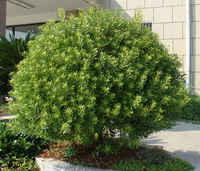
Brief Introduction: Bayberry is utilized in horticulture, candle making, and traditional medicine. Myrica cerifera is a deciduous shrub or small tree that can reach up to 9 meters in height. It is harvested from the wild for local use as food, medicine, and raw material. more
Bee Pollen
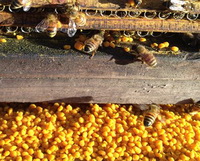
Brief Introduction: Bee pollen is the pollen collected by worker bees from the flowers of seed-bearing plants. Authentic bee pollen also contains trace amounts of bee saliva and plant nectar. Beekeepers collect it either directly from the hive or using specially designed wire-mesh traps that gently brush against the hind legs of foraging worker bees as they enter the hive. more
Beta-Carotene
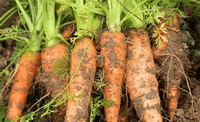
Brief Introduction: Beta-carotene is a precursor of vitamin A and is converted into active vitamin A in the body. Since ancient times, humans have obtained beta-carotene from dietary sources. Carrots, broccoli, leafy green vegetables, squash, and cantaloupe are among the richest natural sources. more
Bilberry
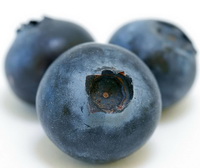
Brief Introduction: Bilberry is a thickly branched, deciduous shrub belonging to the same plant family as cranberry and American blueberry. Its juicy, black, coarsely wrinkled berries contain purple flesh and multiple brownish-red seeds. It is a flowering perennial found in woods and forest meadows across northeastern Asia, Europe, and parts of North America. Both the dried berries and the oval leaves are used medicinally. more
Birch
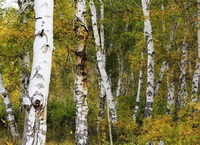
Brief Introduction: Approximately forty species of birch (Betula) occur worldwide. Trees and shrubs of this genus share smooth, often peeling bark and fine-grained, close-textured wood. Their leaves and bark have been used for centuries across various cultures as traditional remedies. more
Bitter Melon
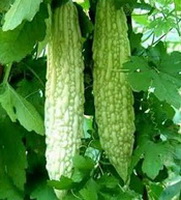
Brief Introduction: Bitter melon is a green, cucumber-shaped fruit covered with wart-like tubercles. It resembles an unattractive, light-green cucumber. The fruit should be firm, similar to a cucumber, and has an intensely bitter taste. Although the seeds, leaves, and vines of Momordica charantia have all been used traditionally, the fruit is the safest and most commonly employed part for medicinal purposes. more
Bitter Orange
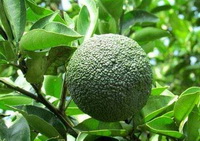
Brief Introduction:Citrus aurantium is an evergreen tree that bears scented flowers and very bitter, sour fruit. It is native to China and cultivated in many parts of the world, including North America. The part most commonly used medicinally is the carefully dried, spicy, bitter-tasting fruit peel, with the spongy inner white portion removed. more
Blackberry
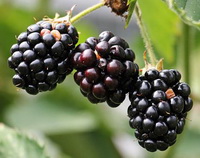
Brief Introduction: Virtually all parts of this prickly and vigorous flowering bush, from the dried root bark and palm-shaped leaves to the juicy blue-black berries, have been used medicinally. Blackberry, part of the same botanical family as strawberries and roses, grows wild across most of North America. more
Blackcohosh
Brief Introduction: Contemporary uses of black cohosh are primarily directed toward alleviating menopausal symptoms, such as hot flashes, anxiety, and depression. From a modern scientific perspective, emerging research has yielded new findings and divergent interpretations regarding its applications—some of which are contradictory. more
Black currant.
Brief Introduction: This thornless shrub belongs to the red currant family. It has wrinkly lobed leaves with distinctive yellow dots on the underside, small campanulate (bell-shaped) flowers, and brownish-black fruits that are widely used in jams, liqueurs, and juices. The leaves and berries are used medicinally. more
Black Pepper.
Brief Introduction: Black pepper is the dried berries of Piper nigrum, the dried berry-like fruit is freed from the pericarp, and collected before maturing. Dried black pepper is a common spice in European-style dishes. Since ancient times, black pepper has highly value for its dual value in seasoning and medicine. The fragrance of black pepper comes from its piperine. Black pepper, often referred to as "pepper", is one of the most widely used spices in the world. more
Black Sesame Seed.
Brief Introduction: Sesame is a flowering plant in the genus Sesamum. The precise natural origin of the species is unknown, although numerous wild relatives occur in africa and a smaller number in south Asia. It is widely naturalized in tropical regions around the world and is cultivated for its edible seeds. more
Black Haw.
Brief Introduction: Black haw is a native herb of North America, it was used by Native American women to prevent miscarriage, relieve menstrual pain and other syndromes. The bark and the root are used medicinally. The herb is a natural source of salicin and tannins. more
Black Walnut.
Brief Introduction: Black Walnut is the nuts of Juglans nigra, a native tree that grows in central and east of the United States, there are no recognized subspecies, varieties, or forms. Black walnut and butternut (Juglans cinerea) often grow together, but never cross naturally. more
Blessed Thistle.
Brief Introduction: Blessed Thistle is the above ground parts of Cnicus benedictus, once dried, are used medicinally. In Europe, the dried leaves and upper stems, including the inflorescence, and the flowering parts of the plant are used. more
Bogbean.
Brief Introduction: Menyanthes trifoliata is a perennial plant that can grow up to 0.25 meters tall. It is harvested from the wild for local use as food and medicine. The large, three-part, grayish-green leaves emerge off a jointed, creeping underground stem. Spikelike clusters of dense pink and white flowers appear in late spring. The dried leaves and occasionally the dried roots are used medicinally. more
Boldo.
Brief Introduction: Boldo is the dried leaves of a native Chilean evergreen shrub, Peumus boldus, the leaves are pungently spicy, it is naturalized in Europe and North America too. more
Boneset.
Brief Introduction: Eupatorium perfoliatum is a native plant of the United States, the whole above-ground part is used, it got the name Boneset due to historical use in the treatment of dengue fever or breakbone fever. more
Borage.
Brief Introduction: Borage is a characteristic multi-purpose aromatic plant, which has many functions such as food, herb, ornamental, beauty, and health care. Borage is a honey source plant, fresh leaves are used as vegetables in Europe, and fresh and dried leaves can also be used to flavor stews, soups, and drinks. more
Boswellin.
Brief Introduction: Boswellin is the gummy resin from the bark of Boswellia serrata, the resin is extracted and purified for use, and the oleogum resin is obtained by incision or produced by spontaneous exudation from the stem and branches of Boswellia serrata Roxb. The specific name, serrata, comes from serra, a saw, referring to the toothed leaf margins. more
Bromelain.
Brief Introduction: Bromelain is a pure natural plant protease made from the peel, stem, core, and other parts of pineapple fruit by biotechnology. Its molecular weight is 33,000, and it belongs to sulfhydryl protease, which can carry out various biochemical reactions such as protein hydrolysis. Bromelain is a natural, non-toxic, harmless, sanitary, and safe protease. more
Broom.
Brief Introduction: Broom is a large shrub with golden-yellow butterfly-like flowers, it is native to Europe, Western and Central Asia, and the herb and flower are used. more
Buchu.
Brief Introduction: Buchu is a traditional herb from South Africa, there are round leaf buchu, oval leaf buchu, and longleaf buchu, the herb was used traditionally for stomach complaints, and today it is advised to be used in foods or as a taste or aroma enhancer. more
Burdock root.
Brief Introduction: Burdock root is a traditional herb used since the Middle Ages of Europe as a diuretic and to purify blood, or even used for syphilis. more
Butcher's Broom.
Brief Introduction: Butcher's Broom is traditionally used for hemorrhoids and poor leg circulation, varicose vein syndrome, it is the dried succulent root and rhizome of Ruscus aculeatus. more

 ✵B listing of popular herbs gives an introduction to herbs: Balm, Barberry, Barley(and Barley Grass), Basil, Bay(sweet), Bayberry, Bee Pollen, Beta-Carotene, Betel Nut, Bilberry, Birch, Bitter Melon, Bitter Orange, Blackberry, Blackcohosh, Black currant, Black Pepper, Black Sesame Seed, Black Haw, Black Walnut, Blessed Thistle, Bogbean, Boldo, Boneset, Borage, Boswellin, Bromelain, Broom, Buchu, Bugleweed, Burdock root, Butcher's Broom.
 Herbs in A-to-Z entries: A, B, C,D, E, F, G, H, I, J, K, L, M, N, O, P, Q, R, S, T, U, V, W, X, Y, Z.
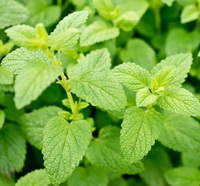 Brief Introduction: Melissa officinalis is an important economic crop in its native and cultivated regions. Traditionally, it has been used as a mild stimulant and carminative (not laxative). Its aqueous infusion has long been used in households for symptomatic relief of headaches and toothache. It is also a valuable nectar source for bees; rich in vitamin C, it is widely used in food processing, seasoning, and winemaking. The plant is rich in volatile oil—the principal component being citral—making it a commercially significant aromatic species. more

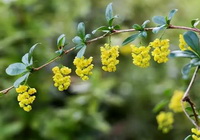 Brief Introduction: Berberis vulgaris is native to central and southern Europe and is cultivated for its edible and medicinal fruits in many countries. Berberis vulgaris grows in light deciduous woodland, hedges, shady edges, woodland gardens with dappled shade, roadsides, and clearings. more
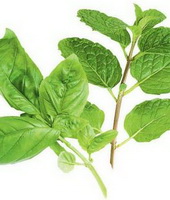 Brief Introduction: The common sweet basil, Ocimum basilicum, is an annual aromatic plant widely grown for its pleasant spicy odor and taste. Basil is a bushy aromatic annual with brittle, branched stems, growing up to 60 cm tall. There are large and dwarf cultivars, bearing oval, shiny, succulent, fragile leaves that are dark green, purple, or variegated—some grown ornamentally. more
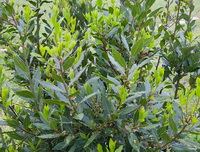 Brief Introduction: Laurus nobilis is a small, aromatic, evergreen flowering tree, widely cultivated but notoriously difficult to grow under non-native conditions. The dried, coriaceous, dark green leaves and shiny black berries are used medicinally. An essential oil is obtained from the leaves and branches via steam distillation. more
 Brief Introduction: Bayberry is utilized in horticulture, candle making, and traditional medicine. Myrica cerifera is a deciduous shrub or small tree that can reach up to 9 meters in height. It is harvested from the wild for local use as food, medicine, and raw material. more
 Brief Introduction: Bee pollen is the pollen collected by worker bees from the flowers of seed-bearing plants. Authentic bee pollen also contains trace amounts of bee saliva and plant nectar. Beekeepers collect it either directly from the hive or using specially designed wire-mesh traps that gently brush against the hind legs of foraging worker bees as they enter the hive. more
 Brief Introduction: Beta-carotene is a precursor of vitamin A and is converted into active vitamin A in the body. Since ancient times, humans have obtained beta-carotene from dietary sources. Carrots, broccoli, leafy green vegetables, squash, and cantaloupe are among the richest natural sources. more
 Brief Introduction: Bilberry is a thickly branched, deciduous shrub belonging to the same plant family as cranberry and American blueberry. Its juicy, black, coarsely wrinkled berries contain purple flesh and multiple brownish-red seeds. It is a flowering perennial found in woods and forest meadows across northeastern Asia, Europe, and parts of North America. Both the dried berries and the oval leaves are used medicinally. more
 Brief Introduction: Approximately forty species of birch (Betula) occur worldwide. Trees and shrubs of this genus share smooth, often peeling bark and fine-grained, close-textured wood. Their leaves and bark have been used for centuries across various cultures as traditional remedies. more
 Brief Introduction: Bitter melon is a green, cucumber-shaped fruit covered with wart-like tubercles. It resembles an unattractive, light-green cucumber. The fruit should be firm, similar to a cucumber, and has an intensely bitter taste. Although the seeds, leaves, and vines of Momordica charantia have all been used traditionally, the fruit is the safest and most commonly employed part for medicinal purposes. more
 Brief Introduction: Citrus aurantium is an evergreen tree that bears scented flowers and very bitter, sour fruit. It is native to China and cultivated in many parts of the world, including North America. The part most commonly used medicinally is the carefully dried, spicy, bitter-tasting fruit peel, with the spongy inner white portion removed. more
 Brief Introduction: Virtually all parts of this prickly and vigorous flowering bush, from the dried root bark and palm-shaped leaves to the juicy blue-black berries, have been used medicinally. Blackberry, part of the same botanical family as strawberries and roses, grows wild across most of North America. more
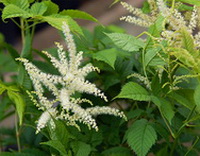 Brief Introduction: Contemporary uses of black cohosh are primarily directed toward alleviating menopausal symptoms, such as hot flashes, anxiety, and depression. From a modern scientific perspective, emerging research has yielded new findings and divergent interpretations regarding its applications—some of which are contradictory. more
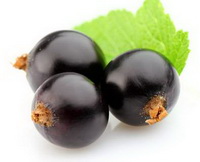 Brief Introduction: This thornless shrub belongs to the red currant family. It has wrinkly lobed leaves with distinctive yellow dots on the underside, small campanulate (bell-shaped) flowers, and brownish-black fruits that are widely used in jams, liqueurs, and juices. The leaves and berries are used medicinally. more
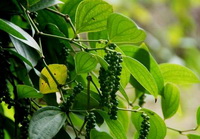 Brief Introduction: Black pepper is the dried berries of Piper nigrum, the dried berry-like fruit is freed from the pericarp, and collected before maturing. Dried black pepper is a common spice in European-style dishes. Since ancient times, black pepper has highly value for its dual value in seasoning and medicine. The fragrance of black pepper comes from its piperine. Black pepper, often referred to as "pepper", is one of the most widely used spices in the world. more
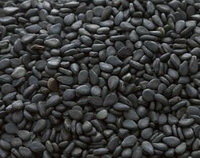 Brief Introduction: Sesame is a flowering plant in the genus Sesamum. The precise natural origin of the species is unknown, although numerous wild relatives occur in africa and a smaller number in south Asia. It is widely naturalized in tropical regions around the world and is cultivated for its edible seeds. more
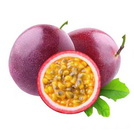 Brief Introduction: Black haw is a native herb of North America, it was used by Native American women to prevent miscarriage, relieve menstrual pain and other syndromes. The bark and the root are used medicinally. The herb is a natural source of salicin and tannins. more
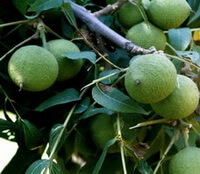 Brief Introduction: Black Walnut is the nuts of Juglans nigra, a native tree that grows in central and east of the United States, there are no recognized subspecies, varieties, or forms. Black walnut and butternut (Juglans cinerea) often grow together, but never cross naturally. more
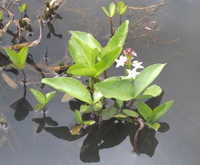 Brief Introduction: Menyanthes trifoliata is a perennial plant that can grow up to 0.25 meters tall. It is harvested from the wild for local use as food and medicine. The large, three-part, grayish-green leaves emerge off a jointed, creeping underground stem. Spikelike clusters of dense pink and white flowers appear in late spring. The dried leaves and occasionally the dried roots are used medicinally. more
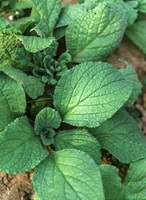 Brief Introduction: Borage is a characteristic multi-purpose aromatic plant, which has many functions such as food, herb, ornamental, beauty, and health care. Borage is a honey source plant, fresh leaves are used as vegetables in Europe, and fresh and dried leaves can also be used to flavor stews, soups, and drinks. more
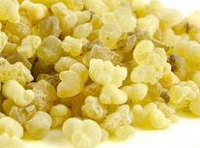 Brief Introduction: Boswellin is the gummy resin from the bark of Boswellia serrata, the resin is extracted and purified for use, and the oleogum resin is obtained by incision or produced by spontaneous exudation from the stem and branches of Boswellia serrata Roxb. The specific name, serrata, comes from serra, a saw, referring to the toothed leaf margins. more
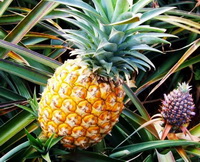 Brief Introduction: Bromelain is a pure natural plant protease made from the peel, stem, core, and other parts of pineapple fruit by biotechnology. Its molecular weight is 33,000, and it belongs to sulfhydryl protease, which can carry out various biochemical reactions such as protein hydrolysis. Bromelain is a natural, non-toxic, harmless, sanitary, and safe protease. more
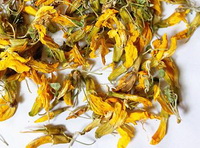 Brief Introduction: Broom is a large shrub with golden-yellow butterfly-like flowers, it is native to Europe, Western and Central Asia, and the herb and flower are used. more
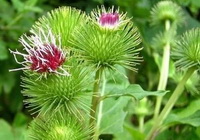 Brief Introduction: Burdock root is a traditional herb used since the Middle Ages of Europe as a diuretic and to purify blood, or even used for syphilis. more
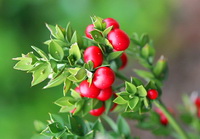 Brief Introduction: Butcher's Broom is traditionally used for hemorrhoids and poor leg circulation, varicose vein syndrome, it is the dried succulent root and rhizome of Ruscus aculeatus. more
