Introduction of Birch: Cherry Birch or White Birch
✵The article documents the herb Birch, including its English name, Latin name, Pinyin name, common names, properties and flavors, and its botanical sources—two plant species: (1) Betula lenta L. and (2) Betula pendula Roth. It provides a detailed introduction to the botanical features, growth characteristics, and ecological environments of these two species; the morphological and medicinal features of the herb Birch; its pharmacological actions, medicinal efficacy, and administration guidelines.
Birch (Cherry birch, White birch)
English Name: Birch.
Latin Name:Betula lenta L. and Betula pendula Roth, among others
Pinyin Name: Tián Huà, Shān Huà, Chuí Zhī Huà
Common Names: Black birch, cherry birch, sweet birch, European white birch, silver birch, among others
Property and Flavor: Neutral in nature; bitter in taste
Brief Introduction: Approximately forty species of birch (Betula) occur worldwide. Trees and shrubs of this genus share smooth, often peeling bark and fine-grained, close-textured wood. Their leaves and bark have been used for centuries across various cultures as traditional remedies.
Botanical Source: Common herbal classics define Birch as the leaves and bark of (1) Betula lenta L. and (2) Betula pendula Roth—two species of the genus Betula in the Betulaceae family (birch family). Both leaves and bark are used medicinally. These two commonly used species are described below:
(1) Betula lenta L.
Botanical Description:Betula lenta, commonly known as sweet birch, cherry birch, or black birch, is a broadleaf deciduous tree with a narrow, open crown. It reaches up to 20 meters in height in its natural habitat but typically grows to about 15 meters in cultivation. The bole is straight and cylindrical, with a canopy spread of approximately 13 meters; the crown is pyramidal and dense when young, becoming rounded and irregular with maturity. The bark is light reddish-brown to nearly black, emitting a strong wintergreen odor or flavor; on older trees, it exfoliates in large, irregular, scaly plates. Leaves are simple, alternate, ovate to ovate-oblong, 5–15 cm long and 4–9 cm wide; the apex is acuminate; the base is predominantly cordate; the margin is serrate—often doubly serrate; the upper surface is glossy dark green, while the lower surface is paler green and pubescent along the veins; there are 10–13 pairs of lateral veins; petioles are 1.3–2.5 cm long. Male catkins overwinter are at 5–7.5 cm in length, then become pendulous and elongate to 7.5–10 cm during summer; female catkins are erect and measure 1.7–2.5 cm in length.
Ecological Environment:Betula lenta is a widespread and commonly encountered tree native to eastern North America—specifically the eastern USA and southeastern Canada. It is a dominant component of northern hardwood forests in the northern Appalachian Mountains of the USA, where it serves as a valuable commercial timber species. The tree is harvested from the wild for diverse traditional uses—including food, medicine, and material production. It is classified as “Least Concern” on the IUCN Red List of Threatened Species (International Union for Conservation of Nature, 2013).
Growth Characteristics:Betula lenta thrives in moist, well-drained soils but tolerates moderately drier conditions.
(2) Betula pendula Roth.
Botanical Description:Betula pendula is also known as the European white birch or European silver birch. It is a deciduous broadleaf tree that grows up to 12–15 meters tall, with a pyramidal crown that becomes rounded with age and a graceful, pendulous branching habit. Young twigs are thin and usually pendulous. The trunk bark is whitish when young; with age, it becomes mostly black. Leaves are simple, alternate, broadly ovate—and sometimes rhomboidal or subulate (diamond-shaped), cuneate (wedge-shaped), or truncate at the base—2.5–7.5 cm long, coarsely doubly serrate, and slenderly tapered to an acute apex; both surfaces are dotted with glands. Leaves turn yellow in autumn. Male flowers develop in cylindrical, slender catkins 3–6 cm long; female flowers develop into cylindrical fruiting catkins about 2–4 cm long.
Ecological Environment:Betula pendula is indigenous to Europe—from the northern Mediterranean regions to Siberia—and to temperate regions of Asia. It occurs naturally throughout most of Europe, where it is known as the silver birch and serves as an important source of hardwood in northern countries. It is the national tree of Finland. It is also present in central and northern Asia, from the Caucasus through Siberia to China and other parts of East Asia. Betula pendula is well adapted to cold climates and is more abundant in the boreal zone, where it can be the dominant forest species.
Growth Characteristics:Betula pendula prefers full sun or light shade and thrives best with summer moisture in well-drained soil; it tolerates both wet and dry soils.
Characteristics of the Herb: The medicinal parts are the bark, leaves, and buds. Birch leaf refers to the fresh or dried leaf of Betula pendula, Betula pubescens, or both species. Leaves are collected in the wild during spring and dried at room temperature in the shade. Birch tar is a clear, dark brown oil obtained from Betula pendula or Betula pubescens via distillation.
Studies have found that white birch tea is a viable diuretic; the increased diuretic effect has been attributed to flavonoids, volatile oils, and other substances in the dried leaves. The herb tea is recommended for disorders such as inflammation and infections of the kidney and urinary tract, and for preventing kidney stone formation. Birch oil—and its constituent methyl salicylate—is identified and recommended as a counterirritant for inflamed or irritated joints; methyl salicylate helps reduce pain and inflammation, similar to aspirin. A compound called betulin, found in some birch species, shares structural similarities with betulinic acid and has shown potential to inhibit melanoma, a type of skin cancer. European studies have found that the aliphatic and aromatic hydrocarbons in birch tar are skin-irritating and possess antiparasitic activity.
Medicinal Efficacy: Native Americans used birch—specifically a tea made from the leaves and bark of sweet birch (Betula lenta)—to treat fevers, stomach upset, and rheumatism; poultices of the bark were applied to minor wounds. Sweet birch bark oil was traditionally used for bladder infections, rheumatism, gout, and nerve pain. Birch oil in ointments and other topical preparations is used as a counterirritant, analgesic, and antiseptic. Traditionally, the leaves of white birch (Betula pendula) and silver birch (Betula pendula, synonymous in common usage) were used to increase urine output, treat skin rashes and hair loss, alleviate rheumatic complaints, and support blood purification. White birch tar oil is used to treat chronic eczema, psoriasis, and other skin diseases.
In Europe, birch leaves are used in folk medicine for “flushing-out” therapy in bacterial and inflammatory diseases of the urinary tract and kidney gravel; as adjunctive therapy for rheumatic ailments; to increase urine output; as a blood purifier; and for gout and rheumatism. Externally, they are applied for hair loss and dandruff. Birch tar ointment is used in folk medicine for parasitic skin infestations accompanied by hair loss, rheumatism, and gout; birch tar liquid preparations are used for dry eczema and dermatoses; birch tar is also indicated for psoriasis and other chronic skin diseases, parasitic infestations, and scabies.
Administration of Birch (Cherry birch, White birch):
Reference:
Administration Guide for Birch (Cherry birch, White birch)
Herbal classic books:
In North America, the herb is recommended as follows: an infusion is prepared using 1–2 tablespoons of chopped leaves per cup of water and is consumed several times daily. In Europe, the average daily dose of birch leaf is recommended at 2–3 grams, taken several times a day, with caution to ensure adequate fluid intake—minimum 2 liters per day. A fresh cup of tea is taken between meals, 3–4 times daily. Leaf tea is prepared by pouring 150 mL of hot water over 1–2 dessertspoons of herb and straining after 15 minutes.
Contraindications, Precautions, and Adverse Reactions: Infusions prepared from European or silver birch leaves are generally considered safe; however, individuals taking a diuretic should ensure adequate fluid intake. Individuals with edema due to impaired cardiac or renal function should avoid this preparation. Prolonged or extensive use of birch tar oil warrants monitoring for proteinuria, urinary sediment, and signs of renal irritation. Birch-derived methyl salicylate—sold as an external counterirritant—must be used with extreme caution: it must never be ingested, as it is significantly more toxic than other salicylates (e.g., acetylsalicylic acid in aspirin), and fatal poisonings in children have been reported.
Birch leaf is contraindicated in edema associated with reduced cardiac or renal function.
References:
1.Introduction of Birch: Cherry Birch or White Birch

 ✵The article documents the herb Birch, including its English name, Latin name, Pinyin name, common names, properties and flavors, and its botanical sources—two plant species: (1) Betula lenta L. and (2) Betula pendula Roth. It provides a detailed introduction to the botanical features, growth characteristics, and ecological environments of these two species; the morphological and medicinal features of the herb Birch; its pharmacological actions, medicinal efficacy, and administration guidelines.
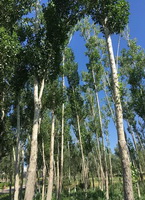 English Name: Birch.
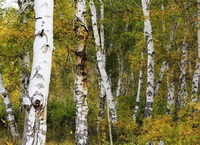 Botanical Description: Betula lenta, commonly known as sweet birch, cherry birch, or black birch, is a broadleaf deciduous tree with a narrow, open crown. It reaches up to 20 meters in height in its natural habitat but typically grows to about 15 meters in cultivation. The bole is straight and cylindrical, with a canopy spread of approximately 13 meters; the crown is pyramidal and dense when young, becoming rounded and irregular with maturity. The bark is light reddish-brown to nearly black, emitting a strong wintergreen odor or flavor; on older trees, it exfoliates in large, irregular, scaly plates. Leaves are simple, alternate, ovate to ovate-oblong, 5–15 cm long and 4–9 cm wide; the apex is acuminate; the base is predominantly cordate; the margin is serrate—often doubly serrate; the upper surface is glossy dark green, while the lower surface is paler green and pubescent along the veins; there are 10–13 pairs of lateral veins; petioles are 1.3–2.5 cm long. Male catkins overwinter are at 5–7.5 cm in length, then become pendulous and elongate to 7.5–10 cm during summer; female catkins are erect and measure 1.7–2.5 cm in length.
