✵This article documents the herb balm, including its English name, Latin name, Pinyin name, properties and flavor, botanical source—specifically the plant species Melissa officinalis L.—and provides a detailed description of its botanical features, growth characteristics, ecological environment, herbal characteristics, pharmacological actions, medicinal efficacy, and administration guidelines.
Balm (Bee Balm or Melissa officinalis)
English Name: Balm
Latin Name: Melissa officinalis L.
Pinyin Name: Mì Fēng Cǎo; Xiāng Fēng Huā; Tián Mǎlì
Common Names: Balm, Lemon balm, bee balm, blue balm, garden balm, common balm, sweet Mary, honey plant, cure-all, dropsy plant, melissa, Oswego tea, sweet balm
Property and Flavor: Before flowering, the leaves have a lemon-like aroma and taste; after flowering, the flavor becomes more astringent and balm-like, with warming properties.
Brief Introduction:Melissa officinalis is an important economic crop in its native and cultivated regions. Traditionally, it has been used as a mild stimulant and carminative (not laxative). Its aqueous infusion has long been used in households for symptomatic relief of headaches and toothache. It is also a valuable nectar source for bees; rich in vitamin C, it is widely used in food processing, seasoning, and winemaking. The plant is rich in volatile oil—the principal component being citral—making it a commercially significant aromatic species.
Botanical Source: Traditional herbal classics define balm as the aerial parts—especially the leaves—of Melissa officinalis L., a perennial herb of the genus Melissa in the Lamiaceae family (formerly Labiatae, the mint family). The lemon-scented leaves and their essential oil are used medicinally. In Europe, the distilled essential oil, dried leaves, fresh leaves, and whole aerial parts are employed therapeutically. This commonly used species is described below:
(1) Melissa officinalis L.
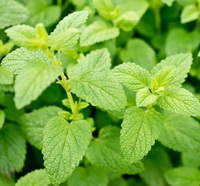
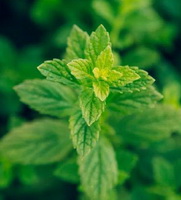
Botanical Description:Melissa officinalis is a perennial herb with upright or ascending, quadrangular stems bearing numerous branches. Lower to middle branches often spread outward in a tiered or candelabra-like arrangement. Stems are pilose, with four shallow longitudinal grooves; the lower portion gradually becomes glabrous. Leaves are petiolate; petioles are slender, 0.5–4 cm long, and villous. Leaf blades are ovate, 1–5 cm long and 0.8–5 cm wide—larger on main stems (typically 5 cm × 3–5 cm), smaller on lateral branches (1–3 cm × 0.8–2 cm). Apices are acute to obtuse; bases are rounded to nearly cordate. Margins bear sparse, sharp, or obtuse serrations, and the lamina is submembranous to herbaceous. Inflorescences are axillary cymes, shortly pedunculate, with 2–14 flowers. Bracts are leaflike but markedly smaller than foliage leaves, villous, and ciliate. Pedicels are ~4 mm long and villous. The calyx is campanulate (~8 mm long), externally knobby-villous, internally villous above the middle, bilabiate: the upper lip is broad, with three extremely short teeth or shallow undulations, mucronate at the tips; the lower lip is slightly longer, bilobed, with triangular lobes bearing elongated, spine-tipped apices. The corolla is milky white, 12–13 mm long, pilose, and bilabiate: the upper lip is erect and entire (apex not missing); the lower lip is three-lobed, with the middle lobe largest, obliquely spreading, and rounded at the apex. Four stamens are included or nearly exserted. The style apex is bifid, with equal lobes. The disk is shallowly 4-lobed, with lobes alternating with the ovary lobes. Nutlets are ovoid. Flowering occurs from June to August.
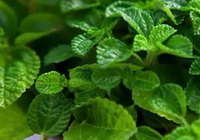
Ecological Environment:Melissa officinalis is indigenous to the eastern Mediterranean region, Central Asia, Western Asia (including Iran), and extends westward to the Mediterranean and Atlantic coasts. It is widely cultivated in Central Europe and naturalized in many temperate regions. The plant is robust and easy to cultivate—unlike many other vanilla-scented plants introduced into temperate zones. Preferring moist, well-drained soils, it exhibits good tolerance to heat and moderate drought. It thrives in full sun to partial shade and adapts well to a range of soil types. Consequently, it grows successfully across diverse climates and is suitable for field cultivation, garden planting, and container culture. When grown in full sun, stems and foliage develop luxuriantly, exhibiting dark green coloration and a strong, characteristic fragrance.
Growth Characteristics: This is a highly cold-resistant plant that remains green even at subzero temperatures. It prefers moist soil, exhibits heat and water tolerance, grows well in full sun or partial shade, and adapts to a wide range of soil types. The optimal pH (on the acidity–basicity scale) is between 5.0 and 7.5.
Brief History of Balm: The scientific name Melissa officinalis means “bee” in Greek—not Latin—and refers to its aroma, which attracts bees. Ancient Greeks believed *Melissa officinalis* embodied the goddesses Luna and Diana [1], the latter being associated with hunting, and regarded it as a sacred plant. It was cultivated around temples to attract bees for honey production—a vital source of sweetener. Melissa officinalis frequently appears in European and American myths and historical texts. The renowned Swiss physician and alchemist Paracelsus [2], described it in his pharmacopoeia. Carmelite Water—based on Melissa officinalis—remains a traditional summer beverage in France. In Europe and North America, tea made from dried Melissa officinalis leaves is known as lemon balm tea and is commonly used to reduce fever during colds.
Europeans believe Melissa officinalis can boost energy and alleviate sadness. Legend holds that planting it near doorways wards off evil spirits; drawings made with its leaves were thought to attract bees; and 11th-century herbalists in various regions attributed to it the magical power to uplift the mind and heart. With its fresh, sweet, and mildly citrusy flavor, it is especially refreshing in hot, humid summers, stimulates appetite, aids digestion, and is suitable for consumption before or after meals.
Main Value of Balm:Melissa officinalis leaves emit a distinct lemon fragrance that attracts bees. Its flowers are white or pale yellow and bloom from July to October. Consequently, in ancient Europe, it was commonly planted around churches and temples to attract bees for honey collection—honey used in religious offerings. It is reported that the fragrant leaves emit a lemony aroma attractive to bees. As an important economic crop in its native regions, it serves as a mild stimulant or gentle laxative; its decoction has long been a household remedy, primarily for headaches and toothaches. It is also a valuable nectar source for honeybees and is rich in vitamin C—widely used in food processing, seasoning, and winemaking. The plant is rich in aromatic oil, the principal component of which is citral, making it an excellent source of essential oil.
Honey Source: Compared with other plants, the fragrance of Melissa officinalis is uniquely delicate—lighter and more floral than its essential oil. Its scent is distinctive, mirroring both the plant and its oil. Undiluted, it tastes slightly bitter with lemony, spicy notes; upon dilution, the flavor becomes milder, sweeter, and highly palatable—ideal as a daily beverage. Melissa hydrosol is delicious in both hot and cold drinks and complements any culinary application—whether desserts or main courses—enhancing steamed fish particularly well.
Medicinal Uses: Lemon balm possesses high medicinal value; the whole plant may be used as a mild stimulant or gentle laxative and is commonly employed to relieve headaches and toothaches.
Edible Uses: Within the aromatic plant family, Melissa officinalis is a nutrient-rich, flavorful herb widely appreciated by consumers. Its aromatic lemon-like flavor—less acidic than lemon—stimulates appetite and suits diverse dishes and desserts. Fresh leaves are harvested before flowering. Potential products include herbal tea, tea bags, salads, lemon balm vinegar, flavored lemon balm water, fish preparations, sauces, pickles, herbal pillows, and lemon balm ice cubes.
Characteristics of the Herb: Lemon balm refers to the fresh or dried leaves of Melissa officinalis, as well as their preparations. Leaves are harvested before flowering or excessive branching occurs. Leaves and stems are separated, comminuted, and dried rapidly at temperatures between 30 °C and 40 °C.
Pharmacological Actions: (1) Volatile oil exerts a calming effect on the central nervous system; (2) tranquilizing, sedative, and antispasmodic effects; (3) antiviral activity.
Medicinal Efficacy: The herb is recommended by herbalists today for relieving nervousness and anxiety; alleviating tension-related sleep disturbances; easing indigestion and nervous stomach upset; stimulating appetite; relieving tension headaches; reducing nervous heart palpitations; and relieving menstrual cramps. Topical formulations are indicated as soothing, healing agents for cuts, stings, wounds, and herpes-related cold sores and genital lesions. In Europe, the herb is approved for nervous agitation and insomnia. It is traditionally used as a decoction for nervous complaints, lower abdominal disorders, meteorism, nervous gastric complaints, hysteria, melancholia, chronic bronchial catarrh, nervous palpitations, vomiting, migraine, nervous debility, headache, and hypertension. Externally, it is indicated for rheumatism, neuralgia, and stiff necks. Melissa officinalis is also used in homeopathy for menstrual irregularities.
Administration of Balm (Melissa officinalis, also known as lemon balm or bee balm):
Reference:
Administration Guide for Balm
Herbal classic works:
— An infusion is prepared using 1 to 3 teaspoons of crushed dried leaves per cup (240 mL) of freshly boiled water. Steep for 10–15 minutes, then strain. Drink up to three cups daily.
— The tincture is typically dosed at 0.5–1.5 mL (½–1½ tsp), up to three times daily.
— For homeopathic use: 5 drops, 1 tablet, or 10 globules every 30–60 minutes during acute conditions, or 1–3 times daily for chronic conditions. Parenteral administration is not standard for *Melissa officinalis* and is omitted due to lack of clinical evidence and regulatory approval.
Contraindications, Precautions, and Adverse Reactions: The U.S. FDA includes lemon balm (*Melissa officinalis*) on its list of herbs generally recognized as safe (GRAS) for food use. No significant adverse reactions have been reported after centuries of traditional use. However, due to its potential to inhibit thyroid hormone synthesis, it should be avoided by individuals with thyroid disorders—particularly Graves’ disease.
Explanatory Notes:
1. Diana: In Roman religion, Diana was the goddess of wild animals, the hunt, and the moon, identified with the Greek goddess Artemis.
2. Paracelsus: (1493–1541), Swiss physician, alchemist, and author of Great Surgery Book (Chirurgia Magna).

 ✵This article documents the herb balm, including its English name, Latin name, Pinyin name, properties and flavor, botanical source—specifically the plant species Melissa officinalis L.—and provides a detailed description of its botanical features, growth characteristics, ecological environment, herbal characteristics, pharmacological actions, medicinal efficacy, and administration guidelines.
 English Name: Balm
 Botanical Description: Melissa officinalis is a perennial herb with upright or ascending, quadrangular stems bearing numerous branches. Lower to middle branches often spread outward in a tiered or candelabra-like arrangement. Stems are pilose, with four shallow longitudinal grooves; the lower portion gradually becomes glabrous. Leaves are petiolate; petioles are slender, 0.5–4 cm long, and villous. Leaf blades are ovate, 1–5 cm long and 0.8–5 cm wide—larger on main stems (typically 5 cm × 3–5 cm), smaller on lateral branches (1–3 cm × 0.8–2 cm). Apices are acute to obtuse; bases are rounded to nearly cordate. Margins bear sparse, sharp, or obtuse serrations, and the lamina is submembranous to herbaceous. Inflorescences are axillary cymes, shortly pedunculate, with 2–14 flowers. Bracts are leaflike but markedly smaller than foliage leaves, villous, and ciliate. Pedicels are ~4 mm long and villous. The calyx is campanulate (~8 mm long), externally knobby-villous, internally villous above the middle, bilabiate: the upper lip is broad, with three extremely short teeth or shallow undulations, mucronate at the tips; the lower lip is slightly longer, bilobed, with triangular lobes bearing elongated, spine-tipped apices. The corolla is milky white, 12–13 mm long, pilose, and bilabiate: the upper lip is erect and entire (apex not missing); the lower lip is three-lobed, with the middle lobe largest, obliquely spreading, and rounded at the apex. Four stamens are included or nearly exserted. The style apex is bifid, with equal lobes. The disk is shallowly 4-lobed, with lobes alternating with the ovary lobes. Nutlets are ovoid. Flowering occurs from June to August.
 Ecological Environment: Melissa officinalis is indigenous to the eastern Mediterranean region, Central Asia, Western Asia (including Iran), and extends westward to the Mediterranean and Atlantic coasts. It is widely cultivated in Central Europe and naturalized in many temperate regions. The plant is robust and easy to cultivate—unlike many other vanilla-scented plants introduced into temperate zones. Preferring moist, well-drained soils, it exhibits good tolerance to heat and moderate drought. It thrives in full sun to partial shade and adapts well to a range of soil types. Consequently, it grows successfully across diverse climates and is suitable for field cultivation, garden planting, and container culture. When grown in full sun, stems and foliage develop luxuriantly, exhibiting dark green coloration and a strong, characteristic fragrance.
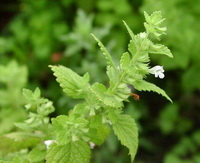 Characteristics of the Herb: Lemon balm refers to the fresh or dried leaves of Melissa officinalis, as well as their preparations. Leaves are harvested before flowering or excessive branching occurs. Leaves and stems are separated, comminuted, and dried rapidly at temperatures between 30 °C and 40 °C.
