Introduction of Bee Pollen: hundred-flowers pollen, cole flower pollen.
✵This article documents the herb bee pollen, including its English name, Latin name, common names, properties and flavor, main types—(1) hundred-flowers pollen, (2) cole flower pollen, and (3) cornflower pollen—along with brief descriptions of these bee pollen types, features of bee pollen, nutritional composition, pharmacological actions, medicinal efficacy, and administration guidelines.
Bee Pollen (hundred-flowers pollen)
English Name: Bee Pollen.
Latin Name: Pinyin Name: Fēng Huā Fěn
Common Names: Buckwheat pollen, maize pollen, pine pollen, typha pollen, cole pollen, hundred-flowers pollen
Properties and Flavor: Bee pollen is slightly cold in nature and tastes sour, sweet, and slightly bitter.
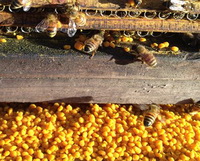
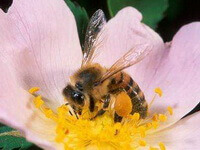
Brief Introduction: Bee pollen is the pollen collected by worker bees from the flowers of seed-bearing plants. Authentic bee pollen also contains trace amounts of bee saliva and plant nectar. Beekeepers collect it either directly from the hive or using specially designed wire-mesh traps that gently brush against the hind legs of foraging worker bees as they enter the hive.
Botanical Source: Traditional herbal works define bee pollen as the pollen gathered by worker bees from flowers of entomophilous seed-bearing plants—primarily nectar- and pollen-source plants—with added glandular secretions (nectar and saliva) that bind the grains into irregular, oblate granules. Common types of bee pollen and their insect sources—honey bees—include: (1) Apis cerana Fabricius (Chinese honey bee) and (2) Apis mellifera Linnaeus (Italian honey bee).
(1) Apis cerana Fabr.
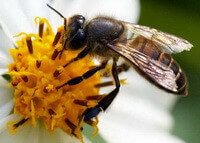
Insect Description: Commonly known as Zhōng Huá Mì Fēng or Chinese honey bee. Abdominal coloration of A. cerana workers varies regionally: some are yellowish, others dark brown or black. Tongue length averages 5 mm. Queen bees exhibit two primary color morphs: one type displays a distinct brown abdominal band and an otherwise dark brown abdomen; the other lacks a conspicuous yellowish-brown band, with the entire abdomen appearing black. Drones are typically black. Southern populations are generally smaller than northern ones; worker bees measure 10–13 mm, drones 11–13.5 mm, and queens 13–16 mm in body length.
Habits: Apis cerana Fabricius (Chinese honey bee) flies rapidly and possesses a highly developed sense of smell. They depart the hive early and return late, spending 2–3 hours more per day foraging than Apis mellifera. They build new combs readily and exhibit strong comb-building ability; they often chew old combs. They show strong resistance to Varroa mites and American foulbrood but are susceptible to sacbrood virus, wax moths, and robbing behavior. Under conditions of nectar dearth or external threats (e.g., predators or hive disturbance), they are prone to absconding (abandoning the colony) and natural swarming. They produce little or no propolis and have limited royal jelly secretion capacity; colonies tend to remain relatively small.
Bees are eusocial insects living in colonies composed of a single queen, numerous sterile female workers, and a small number of male drones. These castes differ markedly in morphology, physiology, and function. The queen specializes in reproduction and egg-laying; drones exist solely to mate with virgin queens—dying shortly after successful insemination; workers perform all colony maintenance tasks, including nest construction, foraging for nectar and pollen, feeding larvae and the queen, cleaning the hive, and thermoregulation. In terms of environmental tolerance, dense clustering enables effective thermoregulation; their primary food sources are floral nectar and pollen.
The term “Chinese honey bee” historically refers to Apis cerana cerana, a subspecies of the Oriental honey bee (Apis cerana Fabricius). However, multiple subspecies of A. cerana are distributed across China. Due to ongoing taxonomic uncertainty regarding subspecies delineation within Chinese A. cerana populations, the collective designation “Chinese honey bee” is currently used as a provisional vernacular term. This species is native to China and exceptionally well adapted to the mountainous ecosystems of the country.
Ecological Environment: In China, the honey bee (Apis cerana) is widely distributed across most regions. Approximately 2 million colonies are maintained under artificial management—accounting for roughly one-third of the nation’s total honey bee population.
(2) Apis mellifera L.
Insect Description: It is commonly known as the Italian honey bee, or Apis mellifera ligustica Spinola. Individuals are slightly smaller than European black bees. The abdomen is slender, and the cuticle is yellow. The leading edge of the second to fourth tergites of the worker bee’s abdomen bears a yellow band. Light-colored Italian bees often exhibit a small yellow scutellum; especially light-colored individuals may display only a brown spot at the tip of the abdomen—hence the name “golden bee.” The pile is light yellow. Worker bees have relatively long proboscises, averaging 6.5 mm in length. The setae on the fourth abdominal tergite are of medium width, averaging 0.9 mm. The dorsal setae on the fifth abdominal tergite are short, with an average length of 0.3 mm; the elbow-wing index is moderate, averaging 2.3.
After the queen begins laying eggs in early spring, her egg-laying rate remains largely unaffected by climate, nectar availability, and other environmental factors. Even during hot summers and late autumn, when temperatures drop, she maintains a large brood area. Colonies build up rapidly and readily form strong colonies. Their capacity to collect large quantities of nectar is strong, but they perform poorly in utilizing scattered nectar and pollen sources. Pollen collection is abundant. In summer and autumn, they collect substantial amounts of propolis (resin). They exhibit excellent wax-producing ability. Their royal jelly secretion capacity exceeds that of all other honey bee subspecies. Feed consumption is high during periods of poor nectar flow, making them prone to food shortages. They possess a gentle temperament, are not photophobic, and remain very calm during hive inspections. They show strong homing ability, rarely drift between hives, but are prone to robbing. Nest cleanness is pronounced. They overwinter in strong clusters; however, their feed consumption during winter is high, and their overwintering performance is poor in cold regions. Disease resistance is weak: they are highly susceptible to American foulbrood, paralysis viruses, Nosema spp., and chalkbrood. Their resistance to Varroa mites is low, rendering them vulnerable to mite infestations. Their ability to defend against brood predators is weak. Honeycomb cappings are typically dry or intermediate in texture.
Origin and Habitat: The Italian honey bee is native to the Apennine Peninsula of Italy—a region characterized by a typical Mediterranean climate and ecological environment. It is believed to have originated through natural hybridization between the indigenous European black bee (Apis mellifera mellifera) on the Apennine Peninsula and imported Cyprian bees (Apis mellifera cypria). Climatic and floral conditions on the peninsula feature short, mild, and humid winters; summers are hot and dry, with abundant nectar plants and extended flowering periods. Under similar environmental conditions, the Italian honey bee expresses favorable economic traits. However, it adapts poorly to regions with long, cold winters or where early-spring cold waves frequently occur.
Italian bees are adapted to the Mediterranean climate, which features mild, humid, and short winters and long, dry summers. It has been demonstrated that the Italian honey bee performs exceptionally well under such climatic conditions. Yet it struggles to adapt to areas with prolonged winters and highly variable early-spring weather. For over a century, it has been introduced into the northern Alps of Europe, but it has failed to establish stable, self-sustaining populations there.
The Italian honey bee exhibits strong honey and royal jelly production capabilities, making it an ideal variety for dual-purpose production of honey and pollen, as well as for propolis and venom harvesting. Owing to these attributes, its breeding range has expanded far beyond its native range and it has become one of the most widely distributed honey bee subspecies worldwide.
Ecological Environment: Italian bees play a vital role in apiculture in China and are extensively reared across the country. They are well-suited for migratory beekeeping—following seasonal nectar and pollen flows. During the blooming periods of major nectar sources—including cole (Brassica napus), violet (Viola spp.), kiwifruit (Actinidia chinensis), linden (Tilia spp.), lychee (Litchi chinensis), and tung oil tree (Aleurites montana)—colonies commonly produce more than 5 kg of honey per day, with exceptional colonies yielding over 50 kg daily. Their royal jelly production performance surpasses that of all other honey bee subspecies. Selected elite strains can produce 5–7 kg of royal jelly annually. They are also suitable for producing bee pollen, propolis, bee pupae, and bee venom.
(1) Bee Pollen.
Bee Pollen Introduction: Bee Pollen Introduction: Due to differences in plant species or collection seasons, bee pollen varies in color. Pollen from different botanical sources exhibits a wide range of colors. For example:
— Bright red pollen: from false indigo (Amorpha fruticosa) and Chinese horse chestnut (Aesculus chinensis);
— Orange pollen: from Chinese milk vetch (Astragalus sinicus), sunflower (Helianthus annuus), Cherokee rose (Rosa laevigata), rice (Oryza sativa), wild chrysanthemum (Chrysanthemum indicum), and tea tree (Leptospermum scoparium);
— Golden-yellow pollen: from field mustard (Brassica campestris), mustard (Brassica juncea), willow (Salix spp.), and cotton (Gossypium spp.);
— Dark yellow pollen: from tallow tree (Triadica sebifera, formerly Sapium sebiferum), Chinese sumac (Rhus chinensis), and dandelion (Taraxacum officinale);
— Light yellow pollen: from soybean (Glycine max), sorghum (Sorghum bicolor), chestnut (Castanea mollissima), sweet clover (Melilotus officinalis), cucumber (Cucumis sativus), eucalyptus (Eucalyptus spp.), white clover (Trifolium repens), codonopsis (Codonopsis pilosula), and apple (Malus domestica);
— Beige pollen: from maize (Zea mays), loquat (Eriobotrya japonica), mugwort (Artemisia argyi), wormwood (Artemisia vulgaris), and pine (Pinus spp.);
— White pollen: from sesame (Sesamum indicum), glossy privet (Ligustrum lucidum), and motherwort (Leonurus japonicus);
— Cream-white pollen: from Chinese trumpet creeper (Campsis grandiflora) and wild sweet-scented osmanthus (Osmanthus fragrans);
— Light green pollen: from plum (Prunus salicina) and linden (Tilia spp.);
— Gray pollen: from blue gum (Eucalyptus globulus Labill.); and princess tree (Paulownia tomentosa);
— Celadon pollen: from chaste tree (Vitex negundo) and buckwheat (Fagopyrum esculentum);
— Purple pollen: from broad bean (Vicia faba);
— Black pollen: from common poppy (Papaver rhoeas).
Bee pollen consists of pollen grains collected by honey bees from the anthers of angiosperms or the microsporangia of gymnosperms. After being compacted with nectar and enzymes, the resulting granules are relatively uniform in size—typically 2.5–3.5 mm in diameter, with a dry weight of 10–17 mg per granule and moisture content below 8%. High-quality bee pollen is uniform in size and color, botanically consistent (i.e., predominantly from one or few dominant floral sources), free of impurities, mold, insects, and hard or desiccated granules, and possesses a mild, characteristic aroma—not foul or musty.
Polyfloral Pollen: Polyfloral pollen (commonly termed “hundred-flower pollen” in informal contexts) is a naturally mixed pollen type. It has a mildly bitter taste. While traditional claims suggest it may support metabolic health—including potential modulation of insulin secretion and endocrine function—scientific evidence for its efficacy in preventing or treating diabetes mellitus (a chronic progressive disorder characterized by absolute or relative insulin deficiency) remains limited and inconclusive.
Polyfloral pollen is defined by its botanical origin: pollen loads collected predominantly from multiple plant species and brought back to the hive are classified as polyfloral, whereas those derived mainly from a single dominant species are termed monofloral. Polyfloral pollen can be harvested year-round in most temperate and subtropical regions, except during winter dormancy periods in colder climates. Its color ranges widely depending on floral composition but is commonly pale yellow, yellow, or brownish-yellow. It possesses a strong, natural, fresh aroma; a mildly sweet and slightly astringent taste; and, when rehydrated, forms a clear, translucent suspension—free of visible impurities, suspended particles, or sediment. Nutritionally, polyfloral pollen tends to offer broader compositional diversity than monofloral types. Its principal constituents include proteins, free amino acids, unsaturated fatty acids, vitamins (especially B-complex and C), minerals, and bioactive enzymes. Protein and amino acid contents often exceed those of cow’s milk and hen’s eggs by several-fold; unsaturated fatty acid levels surpass those found in most animal and plant sources; and its vitamin profile—particularly in B vitamins and antioxidants—is among the richest known in natural foods.
Cole flower pollen: Cole (Brassica napus), a major traditional oilseed crop in China, is widely cultivated, has a prolonged flowering period, and yields abundant pollen—making Cole pollen the most abundant commercial bee pollen in China.
Cole flower pollen refers to the pollen mass collected by honey bees from cole flowers. Granules measure approximately 2.5–3.5 mm in diameter and weigh about 10–17 mg each. Its color is typically yellow or light yellow, and it carries the distinctive, natural fragrance of cole blossoms. The taste is sweet and smooth, with mild astringency. When rehydrated, high-quality cole pollen yields a clear, transparent suspension—free of impurities, suspended matter, and sediment.
Maize Pollen: Chinese researchers have reported that maize (Zea mays) pollen exhibits inhibitory activity against certain foodborne pathogenic bacteria in vitro. Experimental studies indicate it may promote development of immune-related organs—including the spleen, bone marrow, lymph nodes, and thymus—and enhance immune cell activity, thereby potentially improving resistance to bacterial and viral infections. Preliminary findings also suggest possible radioprotective and antitumor properties—though these effects require rigorous clinical validation.
Maize pollen is the pollen mass collected by honey bees from maize tassels. Its color is generally pale yellow or light yellow, with a faint, natural, and characteristic aroma. It has a mildly sweet and slightly bitter taste. Optimal quality is indicated by uniform granule size, absence of impurities, off-odors, or mold. When evenly rehydrated, it forms a clear, transparent suspension—free of impurities, suspended particles, or precipitate.
Nutritional Composition of Bee Pollen: Commonly used bee pollen types include pine pollen, rape (Brassica napus) pollen, sweet-scented osmanthus (Osmanthus fragrans) pollen, rose (Rosa spp.) pollen, and chrysanthemum (Chrysanthemum morifolium) pollen. According to modern scientific analysis, pollen is not only the male gametophyte essential for plant reproduction but also a “micro-nutrient treasure house.” Analytical data indicate that protein content in dried bee pollen ranges from 20–30 g per 100 g—containing over 18 free amino acids in bioavailable forms, readily absorbed by humans. This amino acid profile is exceptionally rich compared with other natural foods. Pollen also contains approximately 30–40% carbohydrates (primarily fructose and glucose), 1–10% lipids (including unsaturated fatty acids), and abundant B-complex vitamins (B1, B2, B3, B5, B6, B9, B12), as well as vitamins A, D, E, and K. Notably, vitamin E and vitamin K are biologically active compounds associated with cellular antioxidant defense and coagulation regulation—though claims linking them directly to lifespan extension lack robust clinical validation. Pollen supplies over 20 essential minerals—including iron, zinc, calcium, magnesium, potassium, phosphorus, silicon, and selenium—as well as more than 30 trace elements. It also contains at least 15 enzymatically active proteins (e.g., amylase, invertase, glucose oxidase), nucleic acids (RNA/DNA), phytosterols, flavonoids, and phenolic compounds. While minute amounts of plant growth regulators (e.g., brassinosteroids) and phytohormone-like substances may be present, their concentrations in bee pollen are negligible and physiologically insignificant in human nutrition.
Scientific studies confirm that bee pollen contains at least 22 amino acids (including all 9 essential ones), 14 vitamins, over 30 trace elements, numerous bioactive enzymes, nucleic acids, flavonoids, and other secondary metabolites. The majority of its protein is hydrolyzed into free amino acids during bee processing—resulting in amino acid bioavailability significantly higher than that of intact proteins in milk or eggs. Vitamin C content varies widely by botanical origin but generally exceeds that of many fresh fruits and vegetables on a dry-weight basis; however, labeling pollen as the “king of natural vitamins” is unsupported hyperbole. B-vitamin concentrations are notably high: per 100 g of dried pollen, typical ranges include ~600 µg thiamine (B1), ~1,670 µg riboflavin (B2), ~900 µg pyridoxine (B6), ~2,700 µg pantothenic acid (B5), and ~10,000 µg niacin (B3). Mineral composition varies by floral source; representative average mass percentages in dried pollen include: potassium (15–40%), magnesium (0.5–2.5%), calcium (0.5–12%), iron (30–300 mg/kg), silicon (1,000–8,000 mg/kg), and phosphorus (0.8–2.0%).
The principal bioactive constituents of bee pollen include proteins and free amino acids, B-complex and fat-soluble vitamins, flavonoids (e.g., quercetin, kaempferol, apigenin), phenolic acids, unsaturated lipids, enzymes, nucleic acids, phytosterols, and dietary fiber. Its amino acid profile closely aligns with the FAO/WHO recommended pattern for human requirements—a rarity among unfortified natural foods. Bee pollen is thus a concentrated source of nutritionally and functionally relevant compounds. While it serves as a valuable natural food supplement, claims of intrinsic “medicinal value” require rigorous clinical substantiation and should not substitute evidence-based medical treatment.
Pharmacological actions: (1) Potential anti-inflammatory and anti-proliferative effects on prostate tissue (preclinical evidence only); (2) Antioxidant activity contributing to cellular protection (in vitro and animal models); (3) Modest immunomodulatory effects observed in some controlled trials; (4) Mild hypolipidemic potential in limited human studies; (5) Possible appetite-stimulating effect in malnourished individuals; (6) Preliminary evidence of enhanced immune cell activity (e.g., macrophage phagocytosis, NK cell cytotoxicity);
(7) In vitro antiproliferative activity against certain cancer cell lines—no clinical anticancer efficacy established.
Medicinal efficacy: In East Asia—particularly China—bee pollen has been used for centuries as a traditional tonic for general vitality and mild functional complaints, including fatigue, mild digestive discomfort, and seasonal immune support. Modern applications—supported by varying levels of evidence—include: (1) Supporting general immune resilience; (2) Contributing antioxidant intake for skin health and healthy aging; (3) Complementary nutritional support in cardiovascular wellness programs; (4) As part of balanced dietary strategies for healthy weight management; (5) Supporting gastrointestinal motility and microbiota balance; (6) Promoting restful sleep as part of holistic nervous system support; (7) Adjunctive nutritional support in iron-deficiency anemia, metabolic wellness, cognitive maintenance, and menopausal symptom management; (8) Prostate health support: Some clinical observations suggest benefit from specific polyfloral or monofloral preparations (e.g., rye, buckwheat, or cypress pollen), though high-quality evidence remains limited; (9) Occasional use for occasional constipation and immune tonification.
In the United States, bee pollen is marketed as a natural dietary supplement for general wellness, athletic performance support, and relief of mild conditions such as fatigue, occasional constipation or diarrhea, and seasonal allergies. It is valued for its protein, B-vitamin, and antioxidant content—but regulatory oversight (FDA) classifies it as a food, not a drug, and no disease treatment claims are permitted without premarket approval.
In Europe, bee pollen is traditionally used to support recovery from fatigue and convalescence, enhance physical stamina, and promote vitality. It is sometimes employed for mild upper respiratory symptoms (e.g., allergic rhinitis, sinus congestion), though clinical evidence for efficacy is weak. No robust data support its use in preventing altitude sickness or mitigating radiation therapy side effects. Endocrine modulation claims (e.g., for menstrual or prostate disorders) remain speculative and lack mechanistic or clinical validation.
Administration of Bee Pollen:
Reference:
Administration Guide for Bee Pollen
Herbal Classic Works:
In North America, bee pollen is commonly sold in 500–580 mg tablets; the recommended dosage is three capsules three times daily. In Europe, bee pollen is recommended for enhancing athletic stamina (400 mg daily) or for treating gastric ulcers (500 mg daily).
Contraindications, Precautions, and Adverse Reactions: Severe—and even fatal—allergic reactions to bee pollen are possible, although rare. Individuals with pollen allergies are at particular risk; hay fever sufferers may experience dramatic reactions even after ingesting 1 tablespoon or less of bee pollen. One expert advises pregnant women to avoid bee pollen, as certain Typha pollen may stimulate uterine activity. Herbalists recommend starting with small doses to assess individual tolerance.
Other reported allergic reactions include: abdominal pain, asthma, decreased memory, diarrhea, dyspnea, facial pruritus, facial swelling, gastrointestinal upset, grand mal seizures, headache, hypereosinophilia, hypotension, nausea, pruritus, sore throat, and stridor.
Bee pollen should not be recommended for children: In addition to nutrients, bee pollen contains various bioactive constituents and phytohormones, which—when consumed by children—may contribute to precocious puberty and other physiological disturbances, potentially adversely affecting physical and cognitive development. Therefore, bee pollen and bee pollen–containing products should not be administered to children.
References:
1.Introduction of Bee Pollen: hundred-flowers pollen, cole flower pollen.

 ✵This article documents the herb bee pollen, including its English name, Latin name, common names, properties and flavor, main types—(1) hundred-flowers pollen, (2) cole flower pollen, and (3) cornflower pollen—along with brief descriptions of these bee pollen types, features of bee pollen, nutritional composition, pharmacological actions, medicinal efficacy, and administration guidelines.
 English Name: Bee Pollen.
 Insect Description: Commonly known as Zhōng Huá Mì Fēng or Chinese honey bee. Abdominal coloration of A. cerana workers varies regionally: some are yellowish, others dark brown or black. Tongue length averages 5 mm. Queen bees exhibit two primary color morphs: one type displays a distinct brown abdominal band and an otherwise dark brown abdomen; the other lacks a conspicuous yellowish-brown band, with the entire abdomen appearing black. Drones are typically black. Southern populations are generally smaller than northern ones; worker bees measure 10–13 mm, drones 11–13.5 mm, and queens 13–16 mm in body length.
 Habits: Apis cerana Fabricius (Chinese honey bee) flies rapidly and possesses a highly developed sense of smell. They depart the hive early and return late, spending 2–3 hours more per day foraging than Apis mellifera. They build new combs readily and exhibit strong comb-building ability; they often chew old combs. They show strong resistance to Varroa mites and American foulbrood but are susceptible to sacbrood virus, wax moths, and robbing behavior. Under conditions of nectar dearth or external threats (e.g., predators or hive disturbance), they are prone to absconding (abandoning the colony) and natural swarming. They produce little or no propolis and have limited royal jelly secretion capacity; colonies tend to remain relatively small.
 Bees are eusocial insects living in colonies composed of a single queen, numerous sterile female workers, and a small number of male drones. These castes differ markedly in morphology, physiology, and function. The queen specializes in reproduction and egg-laying; drones exist solely to mate with virgin queens—dying shortly after successful insemination; workers perform all colony maintenance tasks, including nest construction, foraging for nectar and pollen, feeding larvae and the queen, cleaning the hive, and thermoregulation. In terms of environmental tolerance, dense clustering enables effective thermoregulation; their primary food sources are floral nectar and pollen.
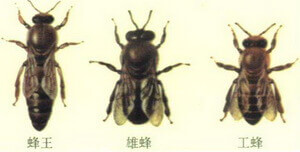 The term “Chinese honey bee” historically refers to Apis cerana cerana, a subspecies of the Oriental honey bee (Apis cerana Fabricius). However, multiple subspecies of A. cerana are distributed across China. Due to ongoing taxonomic uncertainty regarding subspecies delineation within Chinese A. cerana populations, the collective designation “Chinese honey bee” is currently used as a provisional vernacular term. This species is native to China and exceptionally well adapted to the mountainous ecosystems of the country.
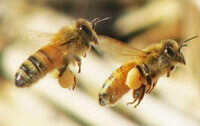 Ecological Environment: In China, the honey bee (Apis cerana) is widely distributed across most regions. Approximately 2 million colonies are maintained under artificial management—accounting for roughly one-third of the nation’s total honey bee population.
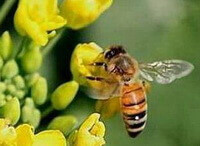 Insect Description: It is commonly known as the Italian honey bee, or Apis mellifera ligustica Spinola. Individuals are slightly smaller than European black bees. The abdomen is slender, and the cuticle is yellow. The leading edge of the second to fourth tergites of the worker bee’s abdomen bears a yellow band. Light-colored Italian bees often exhibit a small yellow scutellum; especially light-colored individuals may display only a brown spot at the tip of the abdomen—hence the name “golden bee.” The pile is light yellow. Worker bees have relatively long proboscises, averaging 6.5 mm in length. The setae on the fourth abdominal tergite are of medium width, averaging 0.9 mm. The dorsal setae on the fifth abdominal tergite are short, with an average length of 0.3 mm; the elbow-wing index is moderate, averaging 2.3.
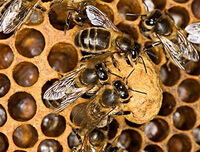 After the queen begins laying eggs in early spring, her egg-laying rate remains largely unaffected by climate, nectar availability, and other environmental factors. Even during hot summers and late autumn, when temperatures drop, she maintains a large brood area. Colonies build up rapidly and readily form strong colonies. Their capacity to collect large quantities of nectar is strong, but they perform poorly in utilizing scattered nectar and pollen sources. Pollen collection is abundant. In summer and autumn, they collect substantial amounts of propolis (resin). They exhibit excellent wax-producing ability. Their royal jelly secretion capacity exceeds that of all other honey bee subspecies. Feed consumption is high during periods of poor nectar flow, making them prone to food shortages. They possess a gentle temperament, are not photophobic, and remain very calm during hive inspections. They show strong homing ability, rarely drift between hives, but are prone to robbing. Nest cleanness is pronounced. They overwinter in strong clusters; however, their feed consumption during winter is high, and their overwintering performance is poor in cold regions. Disease resistance is weak: they are highly susceptible to American foulbrood, paralysis viruses, Nosema spp., and chalkbrood. Their resistance to Varroa mites is low, rendering them vulnerable to mite infestations. Their ability to defend against brood predators is weak. Honeycomb cappings are typically dry or intermediate in texture.
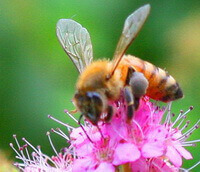 Origin and Habitat: The Italian honey bee is native to the Apennine Peninsula of Italy—a region characterized by a typical Mediterranean climate and ecological environment. It is believed to have originated through natural hybridization between the indigenous European black bee (Apis mellifera mellifera) on the Apennine Peninsula and imported Cyprian bees (Apis mellifera cypria). Climatic and floral conditions on the peninsula feature short, mild, and humid winters; summers are hot and dry, with abundant nectar plants and extended flowering periods. Under similar environmental conditions, the Italian honey bee expresses favorable economic traits. However, it adapts poorly to regions with long, cold winters or where early-spring cold waves frequently occur.
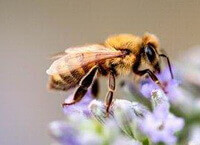 Ecological Environment: Italian bees play a vital role in apiculture in China and are extensively reared across the country. They are well-suited for migratory beekeeping—following seasonal nectar and pollen flows. During the blooming periods of major nectar sources—including cole (Brassica napus), violet (Viola spp.), kiwifruit (Actinidia chinensis), linden (Tilia spp.), lychee (Litchi chinensis), and tung oil tree (Aleurites montana)—colonies commonly produce more than 5 kg of honey per day, with exceptional colonies yielding over 50 kg daily. Their royal jelly production performance surpasses that of all other honey bee subspecies. Selected elite strains can produce 5–7 kg of royal jelly annually. They are also suitable for producing bee pollen, propolis, bee pupae, and bee venom.
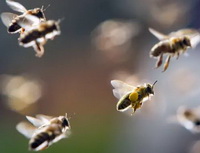 Bee Pollen Introduction: Bee Pollen Introduction: Due to differences in plant species or collection seasons, bee pollen varies in color. Pollen from different botanical sources exhibits a wide range of colors. For example:
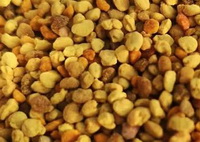 Polyfloral Pollen: Polyfloral pollen (commonly termed “hundred-flower pollen” in informal contexts) is a naturally mixed pollen type. It has a mildly bitter taste. While traditional claims suggest it may support metabolic health—including potential modulation of insulin secretion and endocrine function—scientific evidence for its efficacy in preventing or treating diabetes mellitus (a chronic progressive disorder characterized by absolute or relative insulin deficiency) remains limited and inconclusive.
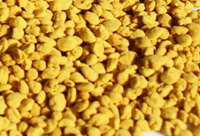 Cole flower pollen: Cole (Brassica napus), a major traditional oilseed crop in China, is widely cultivated, has a prolonged flowering period, and yields abundant pollen—making Cole pollen the most abundant commercial bee pollen in China.
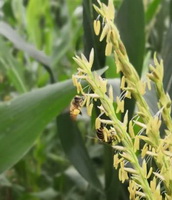 Maize Pollen: Chinese researchers have reported that maize (Zea mays) pollen exhibits inhibitory activity against certain foodborne pathogenic bacteria in vitro. Experimental studies indicate it may promote development of immune-related organs—including the spleen, bone marrow, lymph nodes, and thymus—and enhance immune cell activity, thereby potentially improving resistance to bacterial and viral infections. Preliminary findings also suggest possible radioprotective and antitumor properties—though these effects require rigorous clinical validation.
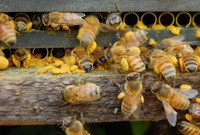 Nutritional Composition of Bee Pollen: Commonly used bee pollen types include pine pollen, rape (Brassica napus) pollen, sweet-scented osmanthus (Osmanthus fragrans) pollen, rose (Rosa spp.) pollen, and chrysanthemum (Chrysanthemum morifolium) pollen. According to modern scientific analysis, pollen is not only the male gametophyte essential for plant reproduction but also a “micro-nutrient treasure house.” Analytical data indicate that protein content in dried bee pollen ranges from 20–30 g per 100 g—containing over 18 free amino acids in bioavailable forms, readily absorbed by humans. This amino acid profile is exceptionally rich compared with other natural foods. Pollen also contains approximately 30–40% carbohydrates (primarily fructose and glucose), 1–10% lipids (including unsaturated fatty acids), and abundant B-complex vitamins (B1, B2, B3, B5, B6, B9, B12), as well as vitamins A, D, E, and K. Notably, vitamin E and vitamin K are biologically active compounds associated with cellular antioxidant defense and coagulation regulation—though claims linking them directly to lifespan extension lack robust clinical validation. Pollen supplies over 20 essential minerals—including iron, zinc, calcium, magnesium, potassium, phosphorus, silicon, and selenium—as well as more than 30 trace elements. It also contains at least 15 enzymatically active proteins (e.g., amylase, invertase, glucose oxidase), nucleic acids (RNA/DNA), phytosterols, flavonoids, and phenolic compounds. While minute amounts of plant growth regulators (e.g., brassinosteroids) and phytohormone-like substances may be present, their concentrations in bee pollen are negligible and physiologically insignificant in human nutrition.
