✵This article documents the herb Apple—including its English name, Latin name, Pinyin name, common names, properties and flavor, botanical source (one plant species: Malus domestica Borkh., syn. Pyrus malus L.), and provides a detailed description of its botanical features, growth characteristics, ecological environment, morphological features of the fruit (herb), utilization and economic value, pharmaceutical preparations, pharmacological actions, medicinal efficacy, and administration guidelines.
Apple (Common apple)
English Name: Apple
Latin Name:Malus pumila Mill. or Malus sylvestris (L.) Mill.
Pinyin Name: Píng Guǒ
Common Names: Common apple, wild apple
Properties and Flavor: Cold in nature; sweet and sour in taste; non-toxic
Brief Introduction: Apple is the fleshy, seeded, edible fruit of trees in the genus Malus. The graceful, flowering apple tree is native to temperate regions of the Northern Hemisphere. The genus Malus comprises over 1,000 cultivated varieties. Its fruits vary in size, exhibit sweet-tart flavors, and occur in red, yellow, and green hues; textures range from mealy to crisp.
Botanical Source: Common herbal classics define the herb Apple as the dried fruit of Malus domestica Borkh. (syn. Pyrus malus L.), a species in the genus Malus, family Rosaceae (rose family). Medicinally used parts include the fruit, bark, juice, dried fruit peel, inflorescences with attached leaves, and solid peduncles. This widely used species is described below:
(1) Malus domestica Borkh. (syn. Pyrus malus L.)
Botanical Description: The apple tree grows 3–6 m tall (dwarf and semi-dwarf cultivars) to 10–14 m (standard cultivars). Trunk diameter reaches up to 90 cm. The crown is broadly branched, sometimes spherical or ovoid. Young shoots remain pubescent for an extended period. Buds are ovoid-conical. Leaves are 5–10 cm long, ovoid, with an acuminate apex and a rounded or slightly cordate base; margins are crenate-serrate, and both surfaces are pubescent. Petioles measure less than one-third the length of the leaf blade. The corolla is 1–2 cm or 4–5 cm in diameter, white or pinkish. Fruits vary in shape; typical apple fruits exceed 3 cm in diameter. The epicarp displays variable coloration and texture. Flavor ranges from tart to sweet-tart or sweet. Average fruit mass is 150–160 grams, though some cultivars reach 600 grams or even 900 grams. Flowering occurs from April to June; fruit ripens from August to October.
Ecological Environment:Malus domestica grows in all countries with temperate to warm climates. It originated from various wild apple species and forms. East Asia and the Caucasus are the centers of origin and diversity for the apple tree.
Growth Characteristics: Apple trees thrive and bear high-quality fruit in loamy and sandy loam soils, as well as in sandy soils supplemented with organic fertilizers. Growth and development are significantly impaired in saline, waterlogged (swampy), and peaty soils. The lifespan of the apple tree ranges from 30 to 100 years, averaging 60–70 years. Regions with significant cultivation of large-fruited varieties are typically located in southern latitudes. Summer-maturing cultivars are grown in areas accumulating approximately 2,000 growing degree days (GDD); autumn- and winter-maturing cultivars require 2,200–2,400 GDD.
Characteristics of the Herb: Apple fruit is pear-shaped or oblate-spherical, green, yellow, or red, 5–10 cm in diameter—or larger—with a concave calyx end (top) and stylar end (base). The exocarp is thin, leathery, and fleshy; the endocarp is tough and divided into five locules, each containing two seeds. Apples possess a fragrant aroma and taste sweet with a mild tartness.
Utilization and Economic Value: The apple tree is the predominant fruit tree in many countries of the Northern Hemisphere. Approximately 10,000 cultivars exist. Apples are a nutritionally valuable food, containing numerous vitamins, 12–13% soluble sugars, malic acid (3.7–4.1%), citric acid (0.09–0.13%), pectin (0.43–1.2%), and tannins (0.025–0.1%). Fruits are consumed fresh or dried and processed into juice, compote, jam, purée, pastila, jelly, and cider. Orchard productivity ranges from 10 to 140 tonnes per hectare.
The principal organic acids in apples are malic acid, citric acid, succinic acid, and lactic acid; quinic acid predominates in unripe fruit.
Apples contain high concentrations of flavonoids and diverse phytochemicals. Phytochemical concentrations vary depending on multiple factors—including cultivar, harvest time, postharvest storage conditions, and processing methods. Significant differences also exist between peel and pulp, with peel consistently exhibiting higher phytochemical content. In numerous epidemiological studies, regular apple consumption has been associated with a reduced risk of chronic diseases, including cardiovascular disease, certain cancers, and asthma.
Uses of Apple Preparations: Apple cider vinegar (ACV) is produced by fermenting apple juice: first into alcoholic cider, then oxidizing ethanol to acetic acid in the presence of oxygen. The pH of ACV (typically 2.4–3.0) contributes to its physiological effects. It has long been used traditionally as a supportive aid for weight management and circulatory health. When appropriately diluted, it is generally recognized as safe—even for children—though excessive or undiluted use may cause adverse effects. Documented side effects are rare but may include dental enamel erosion, throat irritation, or hypokalemia with chronic high-dose ingestion.
Apple cider vinegar contains minerals, B vitamins, vitamin C, and bioactive compounds. It provides small amounts of vitamin C, vitamin E, vitamin A, vitamin B₁ (thiamine), vitamin B₂ (riboflavin), vitamin B₆ (pyridoxine), and bioflavonoids (historically termed “vitamin P”). It also contains trace minerals including manganese, iron, calcium, sodium, magnesium, sulfur, copper, phosphorus, silicon, chlorine, and fluorine. ACV contains enzymes, amino acids, aldehydes, potassium acetate (potash), acetic acid, propionic acid, and apple pectin. Apple pectin is a soluble dietary fiber essential for digestive and metabolic health. With over 90 identified bioactive constituents—including organic acids, polyphenols, and minerals—apple cider vinegar can be a beneficial component of a balanced diet.
According to preliminary and observational studies, apple cider vinegar has been explored for supportive roles in managing arthritis, asthma, hypertension, bone health, certain cancers, candidiasis, chest congestion, hypercholesterolemia, common colds, constipation, muscle cramps, diabetes mellitus, diarrhea, dyspepsia, depression, dizziness, otic discharge, eczema, fatigue, foodborne illness, gallstones and kidney stones, alopecia, allergic rhinitis (hay fever), headaches, heartburn, hemorrhages, hiccups, hearing impairment, indigestion, insomnia, metabolic regulation, nasal congestion, sore throat, stiff joints, gastric ulcers, and weight management. Many individuals use diluted apple cider vinegar as an adjunct for weight management.
Pharmacological Actions: (1) Pectin is a hydrophilic colloid that swells in water; apple pectins exert a mild binding (bulking) effect in the gastrointestinal tract; (2) They help regulate stool consistency—alleviating both diarrhea and constipation; (3) Pectin may contribute to reduced serum cholesterol levels, improved glycemic control, and chemopreventive activity against certain cancers; (4) In animal studies, apples with pectin removed induced greater postprandial blood glucose elevation compared to whole apples; (5) Apples exhibit significant antioxidant activity, primarily attributable to polyphenols and vitamin C.
Medicinal Efficacy: Apples are traditionally used to promote good digestion, prevent constipation, diarrhea, and infectious diarrhea; clean the teeth; reduce fever; treat infantile intestinal disorders, heart disease, rheumatic joint stiffness and pain, high cholesterol, warts, and cancer; and alleviate other ailments. In Traditional Chinese Medicine (TCM), apple bark has been used to treat diabetes. Finely ground apple fruit or preparations containing liquid or dry pectin are used for mild dyspepsia, diarrhea, and digestive complaints—especially in children.
Relevant studies have also found that apples can suppress melanin production and inhibit tyrosinase activity, thereby aiding skin whitening. Apple polyphenols have been shown to protect the skin and alleviate allergic dermatitis, while their antioxidant components help prevent damage from free radicals and ultraviolet radiation, conferring reliable photoprotective effects—making them suitable for use in sunscreens and cosmetics.
In the TCM system, apple fruit is recorded as benefiting the stomach, promoting salivation and body fluid secretion, relieving restlessness, and counteracting the effects of alcohol. It is indicated for thirst due to deficiency of body fluids, spleen-deficiency diarrhea, postprandial abdominal distension, and excessive alcohol consumption.
Administration of Apple (Common apple):
Reference:
Administration Guide for Apple (Common apple)
Herbal classic works and TCM works:
Apple fruit may be consumed raw, whole and peeled, grated, or juiced. No dosage information is available for apple bark. In TCM herbal works, apple is recommended for internal use as a raw food, mashed juice, or boiled paste, and its extracted juice may be applied externally.
Contraindications, Precautions, and Adverse Reactions: Apples are generally regarded as a dietary supplement rather than a substitute for medical treatment. No health hazards or side effects are known when used at recommended therapeutic dosages. Apple polyphenols are listed in the U.S. FDA’s GRAS (Generally Recognized As Safe) database as a food additive.
The apple fruit itself is harmless; however, the seeds are toxic. Apple seeds contain amygdalin, which can release cyanide—a potent poison—upon ingestion. Consuming apple seeds may cause gastrointestinal upset, diarrhea, or constipation; large doses can lead to severe, potentially fatal cyanide poisoning. Symptoms may not appear for several hours, as cyanide absorption is delayed.

 ✵This article documents the herb Apple—including its English name, Latin name, Pinyin name, common names, properties and flavor, botanical source (one plant species: Malus domestica Borkh., syn. Pyrus malus L.), and provides a detailed description of its botanical features, growth characteristics, ecological environment, morphological features of the fruit (herb), utilization and economic value, pharmaceutical preparations, pharmacological actions, medicinal efficacy, and administration guidelines.
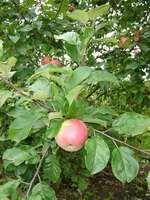 English Name: Apple
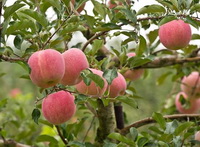 Botanical Description: The apple tree grows 3–6 m tall (dwarf and semi-dwarf cultivars) to 10–14 m (standard cultivars). Trunk diameter reaches up to 90 cm. The crown is broadly branched, sometimes spherical or ovoid. Young shoots remain pubescent for an extended period. Buds are ovoid-conical. Leaves are 5–10 cm long, ovoid, with an acuminate apex and a rounded or slightly cordate base; margins are crenate-serrate, and both surfaces are pubescent. Petioles measure less than one-third the length of the leaf blade. The corolla is 1–2 cm or 4–5 cm in diameter, white or pinkish. Fruits vary in shape; typical apple fruits exceed 3 cm in diameter. The epicarp displays variable coloration and texture. Flavor ranges from tart to sweet-tart or sweet. Average fruit mass is 150–160 grams, though some cultivars reach 600 grams or even 900 grams. Flowering occurs from April to June; fruit ripens from August to October.
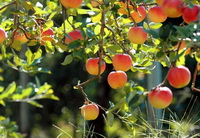 Ecological Environment: Malus domestica grows in all countries with temperate to warm climates. It originated from various wild apple species and forms. East Asia and the Caucasus are the centers of origin and diversity for the apple tree.
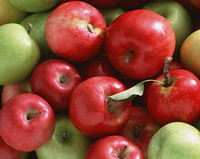 Characteristics of the Herb: Apple fruit is pear-shaped or oblate-spherical, green, yellow, or red, 5–10 cm in diameter—or larger—with a concave calyx end (top) and stylar end (base). The exocarp is thin, leathery, and fleshy; the endocarp is tough and divided into five locules, each containing two seeds. Apples possess a fragrant aroma and taste sweet with a mild tartness.
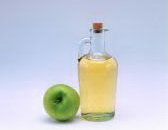 Uses of Apple Preparations: Apple cider vinegar (ACV) is produced by fermenting apple juice: first into alcoholic cider, then oxidizing ethanol to acetic acid in the presence of oxygen. The pH of ACV (typically 2.4–3.0) contributes to its physiological effects. It has long been used traditionally as a supportive aid for weight management and circulatory health. When appropriately diluted, it is generally recognized as safe—even for children—though excessive or undiluted use may cause adverse effects. Documented side effects are rare but may include dental enamel erosion, throat irritation, or hypokalemia with chronic high-dose ingestion.
