✵The article documents the herb Anise, including its English name, Latin name, Pinyin name, common names, properties and flavor, botanical source—namely the single plant species Pimpinella anisum L.—and provides a detailed description of its botanical features, growth characteristics, ecological environment, herbal characteristics, traditional uses, pharmacological actions, medicinal efficacy, and administration guidelines.
Anise (Pimpinella anisum L.)
English Name: Anise
Latin Name:Pimpinella anisum L.
Common Names: Aniseed, sweet cumin
Pinyin Name: Huí Qín, Ōu Zhōu Dà Huí Xiāng
Property and Flavor: Warm in nature; sweet in taste; aromatic odor
Brief Introduction:Pimpinella anisum is an annual herb cultivated for its licorice-scented fruits—commonly known as aniseed. The dried fruits are used as a culinary spice and medicinal herb; young seedlings may be consumed as leafy greens or salad vegetables.
Botanical Source: Traditional herbal classics define Anise as the dried ripe fruit of Pimpinella anisum L., a species of the genus Pimpinella, family Apiaceae (Umbelliferae, the parsley family). Both the dried fruit and its essential oil are used medicinally. This widely utilized species is described below:
(1) Pimpinella anisum L.
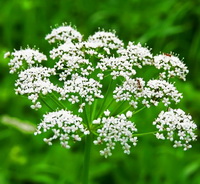
Botanical Description:Pimpinella anisum is an annual herb, growing 10–80 cm tall, pubescent throughout. The stem is cylindrical, finely striated, and branched in the upper portion. Basal leaves are petiolate, simple or undivided—or occasionally 3-lobed—with reniform terminal lobes and shallowly notched margins. Cauline leaves are pinnately divided or 3-lobed, with linear-lanceolate terminal lobes. Compound umbels are terminal or axillary, lacking involucral bracts or bearing only one; rays number 7–20, unequal in length (up to 4 cm), and puberulent. Involucral bracteoles are few, linear, and unequal. Calyx teeth are absent. The stylopodium is shortly conical. Petals are white and oblong. Fruit is ovate-oblong, 3–5 mm long × 2–2.5 mm wide, puberulent; carpophore splits to the middle; each lateral groove contains 2–4 vittae (oil tubes), and the commissure contains 4–8 vittae; the endosperm’s ventral surface is slightly concave. Flowering occurs from May to June; fruiting from June to July. The 1000-seed weight is approximately 5 grams, and seed viability remains stable for up to 3 years.
Ecological Environment:Pimpinella anisum thrives in open, sunny habitats—including grasslands on hillsides, forest margins, valleys, and shrublands. It is native to Egypt and the eastern Mediterranean region and is now cultivated across southern Europe, the eastern Mediterranean basin, Central Asia, China, the USA, and Central and South America.
Growth Characteristics:Pimpinella anisum prefers a mild climate and is not heat-tolerant. It grows within a temperature range of 10–20 °C (50–68 °F), with an optimal range of 18–20 °C (64.4–68 °F). Growth slows below 12 °C (53.6 °F) and above 29 °C (84.2 °F); the plant can briefly tolerate 0 °C (32 °F). The minimum germination temperature for seeds is 10 °C (50 °F), and the optimum germination temperature is 15–20 °C (59–68 °F). Light requirements are not strict, and the plant exhibits moderate shade tolerance. It is a long-day plant that bolts and flowers under high temperatures and extended photoperiods. Soil requirements are flexible; moist, fertile, sandy loam is ideal, with a suitable pH of 5.5–6.8. Adequate fertilizer and water are required during the growing season. It commonly grows in grasslands on hillsides and in forests, as well as in valleys and shrublands.
Traditional Uses of Anise Seed: Anise seeds are widely used in pastry seasoning. They are commonly employed in food and vegetable seasoning across the Mediterranean region and Asia. Anise has been consumed as a beverage since prehistoric times and possesses sedative properties. Its essential oil content is approximately 2.5%, with anethole as the primary constituent. This oil is used in absinthe, anisette, and Pernod liqueurs.
Vegetables: The leaves and young shoots of Pimpinella anisum are tender and aromatic. They are primarily used in salads or as ingredients in soups and seasonings. They stimulate appetite, aid digestion, strengthen gastric function, and act as an expectorant.
Seasoning Spices: The anise fruits are used as aromatic spices and culinary condiments—for baking cakes and bread, preparing wines, and making candied fruit. In cooking, anise is a renowned herb and a key component of traditional French spice blends. Adding aniseed to a salad imparts an immediate warm, spicy aroma that enhances the flavors of other vegetables and herbs.
Anise seeds are rich in anethole, a phenolic compound that contributes both a distinctive aroma and a sweet taste. When used in cooking, it imparts a warm, spicy fragrance that accentuates the natural flavors of food and complementary spices.
The flavor of anise seed complements both sweet and savory dishes, especially seafood. When preparing seafood stew or soup, add a small amount of anise-flavored liqueur (e.g., anisette) to impart a subtle sweetness and aromatic lift. If anisette is unavailable, add one teaspoon of crushed anise seeds while sautéing onions, garlic, and other aromatics.
Characteristics of the Herb: The fruit is an oblong, dry schizocarp, 3–6 mm long, commonly referred to as “aniseed.” Basal leaves are simple, 1–5 cm long, and shallowly lobed; upper stem leaves are feathery and pinnately compound, divided into numerous small leaflets. Flowers are white or yellow, approximately 3 mm in diameter, grow in dense umbels.
Medicinal Efficacy: Anise is used to relieve respiratory tract congestion and cough, support digestion or alleviate indigestion, flatulence, gastric cramps, infant colic, halitosis, nausea—including morning sickness—stimulate lactation, ease childbirth, and enhance libido. Anise oil is applied externally to treat lice and scabies and used as an inhalant for nasal and bronchial congestion. It serves as a licorice-like flavoring in candies and liqueurs. In Europe, anise is officially approved for use in treating the common cold, cough, bronchitis, fevers, inflammation of the mouth and pharynx, dyspeptic complaints, and loss of appetite. In folk medicine, it is used for whooping cough, flatulence, colic-like pain, digestive disorders, menstrual disturbances, liver disease, and tuberculosis. In homeopathy, it is indicated for shoulder pain and lumbago.
In Traditional Chinese Medicine (TCM) theory, anise is used to warm the middle jiao (the Middle Energizer) and dispel cold, expel wind, regulate Qi downward, invigorate blood circulation, relieve pain, strengthen the stomach, and alleviate dysentery. It is indicated for abdominal distension, enteritis, and dysentery.
The fruit of anise is rich in volatile (aromatic) oil, containing approximately 30% anethole and about 30% fatty acids, proteins, and sugars. It exerts a potent expectorant effect without notable adverse effects. In Europe, anise fruit and honey are commonly combined to prepare pediatric remedies. Anise seeds also help relieve pain associated with various conditions, reduce swelling, and expel intestinal worms. Additionally, it functions as a mild stomach tonic and diuretic.
Administration of Anise (sweet cumin):
Reference:
Administration Guide for Anise (sweet cumin)
Herbal classic works:
The commonly recommended internal dosage is 3 grams as an expectorant and gastrointestinal spasmolytic. A tea is prepared by steeping 1 teaspoon of crushed seeds in 1 cup of boiling water; it may be consumed up to three times daily. For expectorant purposes, drink 1 cup in the morning or evening; for gastrointestinal complaints, take 1 dessertspoon (approximately 10 mL) per day; for infants, administer 1 teaspoon diluted in water or formula and added to the bottle. A tincture is recommended at a dose of 0.5–1 mL (½–1 teaspoon), up to three times daily. A single-dose infusion is advised at 0.5–1 grams, taken 30 minutes before meals. The essential oil is typically used only as an inhalant; oral ingestion is not recommended except under strict professional supervision. For homeopathic use, the typical dosage is 5 drops, 1 tablet, or 10 globules every 30–60 minutes during acute conditions, or 1–3 times daily for chronic conditions. Parenteral administration (subcutaneous): 1–2 mL for acute cases, three times daily; for chronic cases, 1 mL once daily.
Contraindications, Precautions, and Adverse Reactions: The U.S. FDA classifies anise as “Generally Recognized as Safe” (GRAS) for food use. Generations of use have not been associated with major adverse reactions. Do not ingest the essential oil orally—even small amounts (e.g., a few milliliters) may cause vomiting, seizures, or pulmonary edema. Individuals sensitive to anethole may develop cutaneous reactions—including erythema (red spot), scaling, vesiculation—or other signs of allergic or irritant response following topical application. Anise and anethole-containing products should be avoided by individuals with known hypersensitivity to either. No significant health hazards or systemic side effects are documented with proper therapeutic dosages. Rare adverse reactions include localized allergic responses affecting the skin, gastrointestinal tract, or respiratory passages.

 ✵The article documents the herb Anise, including its English name, Latin name, Pinyin name, common names, properties and flavor, botanical source—namely the single plant species Pimpinella anisum L.—and provides a detailed description of its botanical features, growth characteristics, ecological environment, herbal characteristics, traditional uses, pharmacological actions, medicinal efficacy, and administration guidelines.
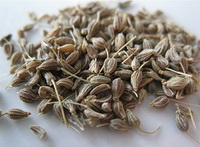 English Name: Anise
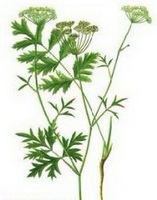 Botanical Description: Pimpinella anisum is an annual herb, growing 10–80 cm tall, pubescent throughout. The stem is cylindrical, finely striated, and branched in the upper portion. Basal leaves are petiolate, simple or undivided—or occasionally 3-lobed—with reniform terminal lobes and shallowly notched margins. Cauline leaves are pinnately divided or 3-lobed, with linear-lanceolate terminal lobes. Compound umbels are terminal or axillary, lacking involucral bracts or bearing only one; rays number 7–20, unequal in length (up to 4 cm), and puberulent. Involucral bracteoles are few, linear, and unequal. Calyx teeth are absent. The stylopodium is shortly conical. Petals are white and oblong. Fruit is ovate-oblong, 3–5 mm long × 2–2.5 mm wide, puberulent; carpophore splits to the middle; each lateral groove contains 2–4 vittae (oil tubes), and the commissure contains 4–8 vittae; the endosperm’s ventral surface is slightly concave. Flowering occurs from May to June; fruiting from June to July. The 1000-seed weight is approximately 5 grams, and seed viability remains stable for up to 3 years.
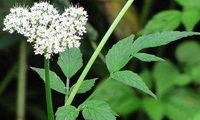 Ecological Environment: Pimpinella anisum thrives in open, sunny habitats—including grasslands on hillsides, forest margins, valleys, and shrublands. It is native to Egypt and the eastern Mediterranean region and is now cultivated across southern Europe, the eastern Mediterranean basin, Central Asia, China, the USA, and Central and South America.
 Traditional Uses of Anise Seed: Anise seeds are widely used in pastry seasoning. They are commonly employed in food and vegetable seasoning across the Mediterranean region and Asia. Anise has been consumed as a beverage since prehistoric times and possesses sedative properties. Its essential oil content is approximately 2.5%, with anethole as the primary constituent. This oil is used in absinthe, anisette, and Pernod liqueurs.
