✵The article records the herb allspice, including its English name, Latin name, Pinyin name, common names, properties and flavor, botanical source—namely the plant species Pimenta dioica—and a detailed introduction to the botanical features, growth characteristics, and ecological environment of this species; as well as the characteristics of the herb allspice, its pharmacological actions, medicinal efficacy, and administration guidelines.
Allspice (Jamaica Pepper)
English Name: Allspice
Latin Name:Pimenta dioica (L.) Merr. It is sometimes referred to as Pimenta officinalis Lindl. or Eugenia pimenta DC.
Pinyin Name: Duōxiāngguǒ, Yámǎijiā Hújiāo
Common Names: Clove pepper, Jamaica pepper, pimenta, pimento
Properties and Flavor: Warm in nature; pungent in taste. Allspice has a combined aroma reminiscent of cinnamon and clove, with a hot, spicy character.
Brief Introduction: The main producing regions of allspice are Jamaica, Cuba, and other countries in Central and South America. It is a plant native to and cultivated exclusively on the American continent. It thrives in hot, humid tropical climates—not arid areas. After drying, the berries emit an aromatic profile reminiscent of cinnamon, clove, and nutmeg, hence the name “allspice.”
Botanical Source: Traditional herbal classics define allspice as the dried, unripe fruit of Pimenta dioica. It belongs to the genus Pimenta, family Myrtaceae (myrtle family). In Central and South America, the berries, coriaceous oblong leaves, and essential oil derived from either the berries or leaves are used medicinally. This commonly used species is described below:
(1) Pimenta dioica.
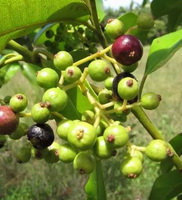
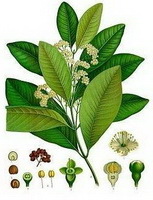
Botanical Description:Pimenta dioica is a tall evergreen tree with fragrant bark. Its leaves are oblong, entire, coriaceous, and glossy with a fragrant surface. Flowers occur in clusters in the leaf axils; they are small, white, and highly fragrant. The berry is spherical, initially turquoise-green, turning dark green upon ripening; the husk is rough with small protrusions at the apex, resembling black pepper in shape. Each fruit contains two aromatic, pungent seeds. The flowering period extends from April to June.
Ecological Environment:Pimenta dioica grows in hot, humid tropical lowlands. Major production areas include Jamaica, Cuba, and other Central and South American countries. It is cultivated exclusively in the Americas. The fruit is harvested while still green and immature. After harvest, it is sun-dried until the husk turns reddish-brown.
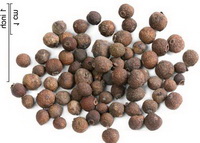
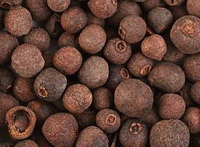
Characteristics of the Herb: Allspice (Jamaica pepper) is collected and processed when the fruit is immature—not ripe—primarily because the dried unripe berries (and sometimes leaves) serve as spices. After sun-drying until the husk turns reddish-brown, the berries release an aromatic scent reminiscent of clove, pepper, cinnamon, nutmeg, and other warm spices—hence the name “allspice.”
A Brief History of Allspice: Allspice was introduced to Europe from Jamaica by the Italian navigator Christopher Columbus (Cristoforo Colombo) in the late 15th century—not the 16th. At that time, it was called “Jamaica pepper” due to its visual resemblance to black pepper.
Columbus set sail in search of a maritime route to Asia and the spice-producing regions—including black pepper (Piper nigrum)—and instead encountered Pimenta dioica in the Caribbean. Having never seen true black pepper fruit, he mistakenly identified allspice as pepper and brought it back to Spain. He named it pimienta, the Spanish word for “pepper.” The English term “pimento” evolved from this Spanish term. Prior to World War II, allspice was used more extensively than it is today. During the war, many allspice-producing trees were felled, and global production has not yet fully recovered to pre-war levels.
Jamaica remains the principal producer of allspice; thus, it is also known as Jamaica pepper. However, Guatemala, Honduras, and Mexico also cultivate it. Jamaican allspice is widely regarded as the highest quality due to its superior essential oil content.
Pharmacological Actions: (1) Antiseptic; (2) Skin irritant (in concentrated form); (3) Antimicrobial activity against certain bacteria (e.g., Staphylococcus aureus, Pseudomonas spp.), fungi (e.g., Candida albicans), viruses, parasites, and larvae; (4) Stimulates trypsin activity; (5) Antioxidant effects; etc.
Medicinal Efficacy: The herb allspice is traditionally used to aid digestion, relieve gastric or intestinal gas, soothe stomachaches and diarrhea, stimulate appetite, alleviate pain—including toothache, menstrual cramps, and neuralgia—relieve rheumatic aches, reduce nausea and vomiting, and serve as a tonic. Its decoction has been used in traditional practice to support blood glucose regulation (though not as a primary antidiabetic agent). A popular topical application involves placing a few drops of allspice essential oil on a cotton swab for temporary toothache relief, or applying a poultice to ease muscle aches and pains. Allspice is also used externally in rubefacient lotions and liniments.
Administration of Allspice (Jamaica Pepper):
Reference:
Administration Guide for Allspice (Jamaica Pepper)
Herbal classic works:
Dosage and Preparation: An infusion is prepared using 1–2 teaspoons of ground allspice per cup of boiling water, taken three times daily. The essential oil is used as an aromatic carminative at a dose of 0.05–0.2 mL, strictly for external or highly diluted oral use under professional guidance. Pimento preparations are applied externally as lotions or liniments.
Contraindications, Precautions, and Adverse Reactions: The concentrated essential oil must never be ingested orally; even small amounts (e.g., 1 teaspoon or 1 mL) have been associated with nausea, vomiting, and convulsions. When applied topically, the oil may cause skin irritation or inflammation in individuals with sensitive skin. Rare allergic reactions to eugenol—the principal constituent of allspice oil—have been reported.

 ✵The article records the herb allspice, including its English name, Latin name, Pinyin name, common names, properties and flavor, botanical source—namely the plant species Pimenta dioica—and a detailed introduction to the botanical features, growth characteristics, and ecological environment of this species; as well as the characteristics of the herb allspice, its pharmacological actions, medicinal efficacy, and administration guidelines.
 English Name: Allspice
 Botanical Description: Pimenta dioica is a tall evergreen tree with fragrant bark. Its leaves are oblong, entire, coriaceous, and glossy with a fragrant surface. Flowers occur in clusters in the leaf axils; they are small, white, and highly fragrant. The berry is spherical, initially turquoise-green, turning dark green upon ripening; the husk is rough with small protrusions at the apex, resembling black pepper in shape. Each fruit contains two aromatic, pungent seeds. The flowering period extends from April to June.
 Characteristics of the Herb: Allspice (Jamaica pepper) is collected and processed when the fruit is immature—not ripe—primarily because the dried unripe berries (and sometimes leaves) serve as spices. After sun-drying until the husk turns reddish-brown, the berries release an aromatic scent reminiscent of clove, pepper, cinnamon, nutmeg, and other warm spices—hence the name “allspice.”
 A Brief History of Allspice: Allspice was introduced to Europe from Jamaica by the Italian navigator Christopher Columbus (Cristoforo Colombo) in the late 15th century—not the 16th. At that time, it was called “Jamaica pepper” due to its visual resemblance to black pepper.
