Introduction of Activated Charcoal: Activated organic charcoal.
✵The article provides records of the herb Activated Charcoal, including its English name, Latin name, Pinyin name, and other names; describes three commonly used botanical sources of activated carbon—(1) coconut shell–activated carbon, (2) fruit shell–activated carbon, and (3) wood-based activated carbon—and outlines a brief history of activated carbon applications, its pharmacological actions, medicinal efficacy, and administration guidelines.
Activated Charcoal (lampblack)
English Name: Activated Charcoal
Latin Name: Pinyin Name: Huó Xìng Tàn
Common Names: Activated organic charcoal, charcoal, gas black, lampblack
Property and Flavor: Unknown
Brief introduction: Activated charcoal is made from charred wood, peat moss, or other vegetable matter. This fine black powder is specially processed to enhance its adsorption capacity. Activated carbon is primarily composed of carbon and contains small amounts of oxygen, hydrogen, sulfur, nitrogen, chlorine, and other elements. Its structure is irregular, with pores formed between cross-linked carbon networks. During activation, carbon lattice defects are generated, resulting in low bulk density, large specific surface area, and strong adsorption performance. It is an industrially important adsorbent with wide-ranging applications. The specific surface area of ordinary activated carbon ranges from 500 to 1700 m2/g.
Botanical source: The main raw materials for activated carbon can be almost any organic material rich in carbon, such as coal, wood, fruit shells, coconut shells, and walnut shells. These carbonaceous materials are converted into activated carbon via pyrolysis at high temperatures and controlled pressure in an activation furnace. During this activation process, a vast surface area and complex pore structure gradually develop; adsorption occurs both within and on the surfaces of these pores. The pore size of activated carbon enables selective adsorption: macromolecules larger than the pore diameter cannot enter the pores. The three commonly used botanical-source activated carbons are introduced below:
(1) Coconut Shell–Activated Carbon
Coconut shell–activated carbon is made from high-quality coconut shells sourced from Southeast Asia and other regions. The raw materials are screened and refined after steam carbonization, then subjected to a series of processes—including impurity removal, activation, and screening—to produce the final product. Coconut shell–activated carbon is black and granular, with a well-developed pore structure, high adsorption capacity, high mechanical strength, stable chemical properties, and excellent durability. It is primarily used for deodorization, removal of heavy metals from water, dechlorination, liquid decolorization in food, beverages, and alcoholic beverages, air purification, and production of high-purity drinking water. It is also widely applied in solvent recovery and gas separation in the chemical industry.
(2) Fruit Shell–Activated Carbon
Fruit shell–activated carbon is mainly produced from fruit kernels (e.g., apricot kernels, peach kernels, walnut kernels, and jujube kernels) and sawdust through carbonization, activation, and refining. It features a large specific surface area, high strength, uniform particle size, well-developed pore structure, and strong adsorption performance. It effectively adsorbs free chlorine, phenol, sulfur compounds, oils, gums, pesticide residues, and other organic pollutants in water, and enables recovery of organic solvents. It is suitable for pharmaceutical, petrochemical, sugar-refining, beverage, and alcohol purification industries; for decolorization, refining, and purification of organic solvents; and for wastewater treatment.
(3) Wood-Based Activated Carbon
Wood-based activated carbon is manufactured from high-quality wood and typically has a powdery form. It undergoes high-temperature carbonization, activation, and multiple refining processes. It exhibits a large specific surface area, high activity, well-developed micropores, strong decolorizing ability, and a broad pore structure, enabling effective adsorption of colored substances and impurities. It is primarily used for decolorization in food, alcohol, oil, beverages, dyes, and the chemical industry; for tap water and wastewater purification; for COD (Chemical Oxygen Demand) reduction; and as medicinal activated carbon.
The Brief History of Activated Carbon Applications: A brief history of activated carbon applications is introduced below:
In 1550 B.C., a medical record from Egypt mentioned charcoal; from 460 to 359 B.C., the Greek physician Hippocrates used it to treat epilepsy; from 1518 to 1593, Li Shizhen documented its use in the Ben Cao Gang Mu (Compendium of Materia Medica) for treating various diseases; and in 1794, an English sugar factory employed charcoal to accelerate decolorization. All these early examples involved ordinary charcoal—not activated carbon.
As a man-made material, activated carbon was first developed between 1900 and 1901. Raphael von Ostrejko, its inventor, discovered that treating plant-derived carbonized materials with metal chlorides—or activating them with carbon dioxide or steam—produced highly adsorptive carbon. It entered industrial production in 1911 at a factory near Vienna, where the product was powdered activated carbon marketed under the trade name Epomit. In the same year, Norit was launched in the Netherlands; Carboraffin followed in Czechoslovakia in 1912.
One of the earliest major milestones in activated carbon’s application history was its use in gas masks during World War I (1914–1918). Initially, powdered activated carbon gradually replaced bone char in the sugar industry. Granular forms—developed and deployed during World War I—were widely adopted in military gas masks. At that time, Norit (Netherlands), manufacturers and wholesalers in Czechoslovakia, Germany, France, Switzerland, and other countries formed a joint venture, signaling that activated carbon had emerged as a new and widely recognized industrial sector in Europe. With the wartime adoption of gas masks, the industry entered its second developmental stage, and the activated carbon market expanded rapidly. Its adsorptive and catalytic functions were subsequently applied across refining, solvent recovery, and chemical synthesis in numerous industries—and activated carbon manufacturing facilities opened successively in the United States and elsewhere. Since the mid-20th century, as its applications broadened, activated carbon has been widely regarded as a “universal adsorbent.”
The second major milestone was its application in deodorization—particularly in municipal water treatment. By the 1940s, hundreds of waterworks worldwide employed activated carbon for this purpose. In 1927, the Chicago Water Works in the United States experienced severe tap water odor complaints from residents, caused by phenol (phenyl hydrate) in raw water reacting with chlorine disinfectant. Similar incidents occurred across European water utilities—all resolved effectively using activated carbon. Since then, growing environmental awareness has driven dramatic increases in activated carbon consumption—not only for water purification but also for air and gas purification—making environmental protection one of the largest application sectors for activated carbon in the latter half of the 20th century. Thus, the industry entered a new phase of sustained development.
Pharmacological actions: (1) Adsorption of large quantities of complex toxic substances, facilitating their passage through the gastrointestinal tract and elimination from the body—thereby preventing systemic absorption into the bloodstream.
Medicinal efficacy: Activated charcoal is clinically used for acute poisoning management. Other traditional or supportive uses include reducing flatulence (intestinal gas and associated discomfort), relieving bloating and other symptoms of digestive upset, lowering cholesterol levels, supporting detoxification, alleviating hangovers, and managing certain infections and hiccups.
Administration of Activated Charcoal:
Reference:
Administration Guide for Activated Charcoal
Herbal Classic Works:
Commonly advised dosages include 500 mg at the onset of digestive symptoms, followed by additional doses of 500–100 mg every two hours as needed. Doses exceeding 20 grams may impair nutrient absorption.
Contraindications, Precautions, and Adverse Reactions: Avoid administering activated charcoal within one hour before or after nutritional supplements, as it may reduce their bioavailability.
References:
1. Introduction of Activated Charcoal: Activated organic charcoal.

 ✵The article provides records of the herb Activated Charcoal, including its English name, Latin name, Pinyin name, and other names; describes three commonly used botanical sources of activated carbon—(1) coconut shell–activated carbon, (2) fruit shell–activated carbon, and (3) wood-based activated carbon—and outlines a brief history of activated carbon applications, its pharmacological actions, medicinal efficacy, and administration guidelines.
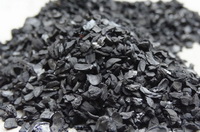 English Name: Activated Charcoal
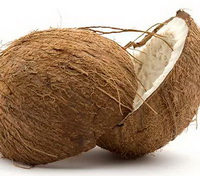 Coconut shell–activated carbon is made from high-quality coconut shells sourced from Southeast Asia and other regions. The raw materials are screened and refined after steam carbonization, then subjected to a series of processes—including impurity removal, activation, and screening—to produce the final product. Coconut shell–activated carbon is black and granular, with a well-developed pore structure, high adsorption capacity, high mechanical strength, stable chemical properties, and excellent durability. It is primarily used for deodorization, removal of heavy metals from water, dechlorination, liquid decolorization in food, beverages, and alcoholic beverages, air purification, and production of high-purity drinking water. It is also widely applied in solvent recovery and gas separation in the chemical industry.
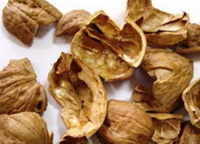 Fruit shell–activated carbon is mainly produced from fruit kernels (e.g., apricot kernels, peach kernels, walnut kernels, and jujube kernels) and sawdust through carbonization, activation, and refining. It features a large specific surface area, high strength, uniform particle size, well-developed pore structure, and strong adsorption performance. It effectively adsorbs free chlorine, phenol, sulfur compounds, oils, gums, pesticide residues, and other organic pollutants in water, and enables recovery of organic solvents. It is suitable for pharmaceutical, petrochemical, sugar-refining, beverage, and alcohol purification industries; for decolorization, refining, and purification of organic solvents; and for wastewater treatment.
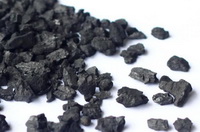 Wood-based activated carbon is manufactured from high-quality wood and typically has a powdery form. It undergoes high-temperature carbonization, activation, and multiple refining processes. It exhibits a large specific surface area, high activity, well-developed micropores, strong decolorizing ability, and a broad pore structure, enabling effective adsorption of colored substances and impurities. It is primarily used for decolorization in food, alcohol, oil, beverages, dyes, and the chemical industry; for tap water and wastewater purification; for COD (Chemical Oxygen Demand) reduction; and as medicinal activated carbon.
