Introduction of Acidophilus: Lactobacillus acidophilus.
✵This article provides records on the herb Acidophilus, including its common English name, Latin name, Pinyin name, and other names; its properties and flavor; its source—namely, the bacterial species Lactobacillus acidophilus—along with a detailed introduction to the characteristics, growth requirements, and ecological environment of this bacterium; as well as the features of the herbal preparation, its pharmacological actions, medicinal efficacy, and administration guidelines.
Acidophilus (Lactobacillus acidophilus)
English Name: Acidophilus
Latin Name:Lactobacillus acidophilus Pinyin Name: Rǔ Suān Jūn
Other Names:Lactobacillus bulgaricus, acidophilus
Properties and Flavor: Cold in nature; sour and sweet in taste
Brief introduction:Lactobacillus acidophilus belongs to the genus Lactobacillus and is a Gram-positive rod-shaped bacterium with rounded ends. It primarily resides in the small intestine, where it produces lactic acid, acetic acid, and certain antimicrobial substances that act against harmful bacteria—though its bacteriostatic effect is relatively weak.
Source:Lactobacillus is a collective term for various bacteria capable of fermenting carbohydrates—such as glucose—into lactic acid. Lactic acid bacteria (LAB) are non-spore-forming, Gram-positive bacteria that occur singly, in pairs, or in short chains and carry out anaerobic respiration. They exhibit strong carbohydrate metabolism and acid production, synthesize glucans and heteropolysaccharides, and ferment sugars to yield lactic acid or other organic acids. The lactic acid produced contributes both flavor and preservative effects. The following describes Lactobacillus acidophilus:
(1) Lactobacillus acidophilus
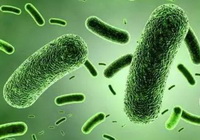
Description: This bacterium is rod-shaped, with blunt, rounded ends and exhibits positive Gram staining. In aged cultures, cells display uneven staining, often showing bipolar staining. Cell dimensions measure approximately 0.6–0.9 × 1.5–6.0 μm; cells are occur singly, in pairs, or in short chains; they are non-motile and non-spore-forming.
Ecological environment:L. acidophilus is microaerophilic and grows under general laboratory conditions. Its optimal growth temperature is 35–38 °C (95–100.4 °F); it does not grow at 15–22 °C (59–71.6 °F), but can grow at 48–55 °C (118.4–131 °F). The optimum pH range is 5.5–6.0, and initial growth occurs within pH 5–7. It tolerates up to 2% NaCl (sodium chloride) and 2% bile salts.
Growth characteristics: Nutritional requirements are complex and include amino acids, pantothenic acid (vitamin B5), riboflavin (vitamin B2), niacin, and folic acid; thiamine (vitamin B1) is not required. Supplementation with glucose, yeast extract, and whey enhances growth. It grows well in milk and whey. On agar plates, colonies are small, rough, irregularly round, slightly raised, grayish-white, and translucent. Microscopic observation reveals an uneven, frosted-glass appearance with filamentous or curly margins.
Some strains ferment glycogen; others ferment melibiose, raffinose, or both. Homofermentation yields DL-lactic acid. Its ability to coagulate milk and produce acid is variable, with lactic acid concentrations ranging from 0.3% to 1.9%.
Herbal Preparation Characteristics: Commercial preparations of Acidophilus are commonly available as granules, liquids, powders, or tablets. They are frequently combined with other probiotic bacteria or incorporated into milk, yogurt, and non-dairy fermented products.
Pharmacological actions: (1) Regulation of intestinal microbiota balance; (2) Inhibition of intestinal pathogenic microbial proliferation; (3) Antagonistic activity against enteric pathogens.
Lactobacillus acidophilus helps restore and maintain intestinal flora equilibrium and inhibits the overgrowth of harmful microorganisms in the gut. It exerts antagonistic effects against pathogenic microbes by secreting antimicrobial substances—including acidolin, acidophilin, and lactobacillin—which target intestinal pathogens.
Lactobacillus acidophilus and Bifidobacterium are often co-cultured as a probiotic consortium. Fermented dairy products containing viable cells of both genera support digestive health—particularly in infants with gastrointestinal dysfunction and in patients whose gut flora has been disrupted by prolonged oral antibiotic use. Consumption of such fermented milk rapidly restores normal intestinal microbiota balance and suppresses putrefactive bacteria, thereby offering significant nutritional and health-promoting benefits.
According to a relevant study by B. K. Mital and S. K. Garg, its antagonistic effect against pathogens and other microorganisms is likely mediated by competition for nutrients and adhesion sites, the formation of metabolites (such as organic acids and hydrogen peroxide), and the production of antibiotic-like compounds and bacteriocins.
Medicinal efficacy: Regulates the gastric and intestinal microecology; Increases the population of probiotic bacteria in the large intestine; etc.
Administration of Acidophilus:
Reference:
Administration Guide of Acidophilus
Classical Herbal Works:
Acidophilus is commonly combined with other beneficial bacteria or incorporated into milk, yogurt, and non-dairy fermented products. The typical daily dosage includes:— 8 ounces (approximately 227–234 mL) of yogurt containing live Lactobacillus acidophilus cultures; one enteric-coated capsule containing 2–3 billion viable organisms; or 0.5–1 teaspoon of powder or liquid formulation. Always follow the manufacturer’s instructions for commercially available acidophilus products.
Contraindications, Precautions, and Adverse Reactions: Avoid concurrent use of live bacterial products within two hours before or after antibiotic administration. No documented cases of toxic reactions to acidophilus-containing products have been reported.
References:
1. Introduction of Acidophilus: Lactobacillus acidophilus.
2. “Anticarcinogenic, Hypocholesterolemic, and Antagonistic Activities of Lactobacillus acidophilus,” by B. K. Mital and S. K. Garg.

 ✵This article provides records on the herb Acidophilus, including its common English name, Latin name, Pinyin name, and other names; its properties and flavor; its source—namely, the bacterial species Lactobacillus acidophilus—along with a detailed introduction to the characteristics, growth requirements, and ecological environment of this bacterium; as well as the features of the herbal preparation, its pharmacological actions, medicinal efficacy, and administration guidelines.
 English Name: Acidophilus
 Description: This bacterium is rod-shaped, with blunt, rounded ends and exhibits positive Gram staining. In aged cultures, cells display uneven staining, often showing bipolar staining. Cell dimensions measure approximately 0.6–0.9 × 1.5–6.0 μm; cells are occur singly, in pairs, or in short chains; they are non-motile and non-spore-forming.
