
Managing skin allergies
- Introduction.
-
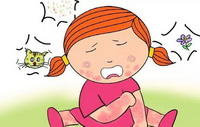 Introduction: Skin manifestations such as redness, swelling, acne-like eruptions, or fissured skin are often colloquially termed “skin allergy.” Medically, these conditions fall under “contact dermatitis.” Irritant contact dermatitis typically appears within 24 hours of first exposure to a cosmetic or chemical agent. Allergic contact dermatitis develops after repeated exposure, when sensitization has occurred. Contact dermatitis is relatively common; some individuals react not due to true allergy, but because impaired skin barrier function compromises normal cutaneous defense and homeostasis.
- Managing skin allergies.
-
 Tips for managing skin allergies:
✵Consume more brown rice and vegetables: A diet overly reliant on animal products—including dairy and eggs—may impair red blood cell quality and reduce metabolic vitality. The human body depends on healthy red blood cells for oxygen delivery and environmental adaptation; compromised erythrocyte function weakens resilience. Moreover, milk proteins (e.g., casein and whey) may cross a compromised intestinal barrier (“leaky gut”), enter systemic circulation, and trigger histamine release—contributing to allergic responses. In contrast, brown rice and vegetables support robust red blood cell production without introducing foreign immunogenic proteins, thus helping prevent allergic skin conditions.
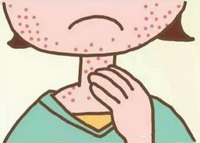 ✵Tips for choosing skincare products for sensitive skin: Individuals with sensitive skin should be cautious—many “protective” ingredients in cosmetics can provoke allergic reactions. Opt instead for products with minimal, well-tolerated formulations. When selecting new products, always perform a patch test: apply a small amount behind the ear or on the inner forearm for 3–5 days to monitor for irritation or delayed reaction.
- Preventing skin allergies
-
 ✵Principle 1: Seek professional medical care for severe reactions
If symptoms are severe—such as widespread rash, blistering, intense itching, or swelling—consult a dermatologist immediately. Do not self-medicate with over-the-counter corticosteroid ointments or anti-inflammatory agents without diagnosis. Discontinue all cosmetics and skincare products for at least 72 hours to allow the skin to rest and recover. During this period, gently rinse the face with cool, clean water. If excessive dryness develops afterward, consult a healthcare provider for guidance on using a bland, fragrance-free moisturizer—such as one containing vitamin E—under medical supervision.
✵Principle 2: Use appropriate cleansing—not water alone: Avoid washing the face with water only during the three days preceding an anticipated flare-up, as this may serve as a preparatory buffer. Instead, use a gentle, non-irritating cleanser containing natural, non-comedogenic ingredients—and avoid products that generate heat or cause stinging. Wash the face with plain water in the morning; in the evening, use a creamy, low-foaming cleanser suited for sensitive skin.
Correct facial cleansing technique: First, wet the face with lukewarm water. Dispense a pea-sized amount of cleanser onto damp hands, lather gently (avoid vigorous rubbing), then massage evenly across the face using circular motions. Rinse thoroughly with cool water and pat dry with a clean, soft towel—never rub vigorously.
✵Principle 3: Sun protection is essential—and non-negotiable: For sensitive skin, sun protection is critically important—not only for prevention but also during recovery. UV radiation can exacerbate physical photosensitivity and delay barrier repair. After an allergic episode, strict sun avoidance and physical photoprotection (e.g., wide-brimmed hats, UV-blocking clothing) are recommended. Numerous sunscreens formulated specifically for sensitive skin are available; choose one labeled “hypoallergenic,” “fragrance-free,” and “non-comedogenic,” with soothing ingredients (e.g., zinc oxide, niacinamide). Reapply every two hours when outdoors—and immediately after swimming or sweating.
✵Principle 4: Soothe sensitivity and support hydration—barrier protection is key. Managing sensitive skin requires consistent hydration and barrier reinforcement; fragrance-free, hypoallergenic moisturizing lotions are ideal. These formulations typically contain higher concentrations of humectants and emollients than creams, helping to calm irritation, restore moisture balance, and strengthen skin resilience. When applying, use gentle patting motions—lightly tap the product onto the face with fingertips—avoid rubbing or pressing, which may aggravate sensitivity.
✵Principle 5: Use facial mists judiciously. Calming facial mists can help soothe irritated skin, refine texture, and rebalance skin pH after cleansing. However, use them sparingly—and avoid immediate outdoor exposure after application. Clinically tested, dermatologist-recommended mists offer reliable anti-inflammatory and soothing benefits for sensitive skin.
✵Principle 6: Choose anti-irritant products wisely. During active irritation, avoid all products containing known sensitizers or irritants. Opt instead for gentle, fragrance-free moisturizers enriched with proven calming ingredients: chamomile, aloe vera, calendula, or thermal spring water. Strictly avoid: alcohol (denatured or SD alcohol), essential oils, physical exfoliants (e.g., scrubs or rough cloths), alpha hydroxy acids (AHAs), beta hydroxy acids (BHAs), benzoyl peroxide, hydroquinone or other depigmenting agents, and any product labeled “anti-aging,” “brightening,” or “exfoliating” unless explicitly formulated and tested for sensitive skin.
 ✵Principle 7: Avoid occlusive masks—including sheet masks and wet compresses. During flare-ups, even brief occlusion impedes epidermal recovery and may trap heat and microbes, worsening inflammation. Non-woven mask sheets and cotton pads can further irritate fragile skin; apply treatments directly with clean hands instead. Also avoid saunas, steam rooms, and excessive sweating—all of which may trigger recurrence.
✵Principle 8: Support skin health through nutrition. Mineral-rich thermal waters provide soothing minerals and trace elements that help calm reactivity and maintain hydration. Collagen supports skin repair, cellular turnover, and elasticity—but oral collagen supplementation has limited evidence for direct dermal benefit. Instead, prioritize dietary sources rich in vitamin C (e.g., citrus fruits, bell peppers, broccoli), antioxidants, and omega-3 fatty acids (e.g., fatty fish, flaxseeds). Limit spicy foods, alcohol, and highly processed items, which may exacerbate inflammation.
✵Rule 9: Prioritize rest, nutrition, and emotional well-being. Maintaining regular sleep, balanced meals, and stress management is vital during skin allergy episodes—psychological stress can intensify neurogenic inflammation and delay recovery. Mild sensitivity often resolves within days with appropriate care; severe or persistent cases require prompt dermatologic evaluation. Remember: most contact or irritant reactions are self-limiting—approach treatment calmly and avoid catastrophizing, as anxiety itself can worsen symptoms.
Seasonal sensitivity: Fluctuating temperatures and humidity levels—especially during seasonal transitions—can destabilize the skin barrier, triggering redness, tightness, flaking, or stinging. Fortunately, proactive, minimalist adjustments make seasonal adaptation manageable. Here’s how:
✵Proposal 1: Avoid hot water for cleansing. Water above 37°C (98.6°F) dilates cutaneous blood vessels and strips the stratum corneum of its natural lipids, depleting essential moisture and compromising barrier integrity—increasing fragility and reactivity. Use lukewarm water (ideally 20–32°C / 68–89°F) year-round, especially during seasonal shifts.
✵Proposal 2: Suspend makeup removers—especially oil-based or emulsifying types. These products remove not only makeup but also the protective sebum film, leading to transepidermal water loss and dryness. Emulsifiers may also leave residue that clogs pores or triggers low-grade inflammation. During seasonal sensitivity, switch to micellar water or a gentle, non-rinse cleansing milk—free of alcohol, fragrance, and sulfates.
✵Proposal 3: Pause high-potency actives. Retinoids, niacinamide (at high concentrations), AHAs/BHAs, and vitamin C serums can overwhelm an impaired barrier. Discontinue them until skin calms and barrier function visibly recovers—typically 2–4 weeks.
 ✵Proposal 4: Eliminate irritating ingredients. Avoid all alcohol-containing toners, astringents, and “refreshing” cleansers—they disrupt barrier lipids and provoke vasodilation. Likewise, refrain from physical scrubs, clay masks, or acid-based exfoliants during instability. Stick to pH-balanced, soap-free, non-foaming cleansers and fragrance-free moisturizers only.
✵Proposal 5: Get enough ceramides: Ceramides are an essential component of the skin barrier. When ceramides are depleted in the stratum corneum, the skin barrier becomes compromised, leading to increased sensitivity. Therefore, it is necessary to restore skin barrier function by supplementing ceramides.
✵Proposal 6: Use physical sunscreen products: Physical sunscreens contain zinc oxide, which provides broad-spectrum UV protection without irritating the skin or triggering inflammatory responses. Since sensitive skin is more prone to irritation from chemical filters, physical sunscreens are generally preferred.
✵Proposal 7: Avoid excessive skin stretching or friction: When the skin is sensitive, it is advisable to minimize pressure and rubbing during product application; gentle patting is sufficient to aid absorption. This precaution is important because sensitized skin often exhibits impaired barrier integrity, and mechanical stimulation (e.g., vigorous massage) can exacerbate inflammation and promote post-inflammatory hyperpigmentation.
- Prevention strategies for skin allergy:
-
 ✵1. Avoid allergens: Because allergic reactions are chronic and cannot be cured, vigilant avoidance of known or potential allergens is essential.
✵2. Strengthen skin resilience — an effective foundational approach: Adequate sleep, a balanced diet, emotional stability, reduced exposure to pollution and allergens, and minimized skin irritation collectively support skin health. Mild sensitivity typically resolves with appropriate care; severe cases warrant prompt medical consultation.
✵3. Use sunscreen judiciously: Limit sun exposure, as UV radiation significantly compromises skin barrier integrity; chronic exposure thins the epidermis and heightens susceptibility to irritation.
✵4. Choose facial cleansers and cosmetics carefully: Certain ingredients in these products may disrupt the skin barrier or trigger allergic or irritant reactions.
✵5. People with sensitive skin should wash with lukewarm water: During spring pollen season, outdoor activities should be minimized to reduce risk of pollen-induced dermatitis. Apply moisturizer morning and evening to maintain hydration and prevent flaking.
Edited and last revised:
