
Drink water before bed to ward off cardiovascular disease.
- Introduction.
-
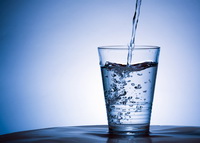 Introduction: Drink a few glasses of water slowly one hour before sleeping. This not only supplies the moisture that the body loses during sleep but also helps prevent diseases such as cerebral thrombosis, coronary heart disease, myocardial infarction, and stroke.
 Ancient and modern insights: Ancient works such as Peng Zu She Sheng Yang Xing Lun record: “Eating to satiety before sleep easily harms Qi.” We should avoid sleeping with a full stomach, on an empty stomach, or after drinking large amounts of water, strong tea, coffee, or other stimulating beverages. Although excessive water intake right before bed is inadvisable, slowly drinking an appropriate amount—about 300–400 mL—one hour before sleep helps replenish fluids lost overnight. Statistics show a close association between dehydration and coronary heart disease attacks.
- Drink water before bed to ward off cardiovascular disease.
-
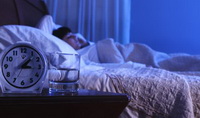 Many people fear nocturnal urination and edema the next day, so they avoid drinking water before bed. However, this leaves the body without hydration for an extended period—from dinner until waking the next morning—leading to increased blood viscosity, hypercoagulability, and thrombosis, which may trigger cerebral infarction or myocardial infarction, especially in older adults.
Many women worry that “drinking water causes weight gain and disrupts slim figures” or “makes eyes look puffy the next day”—but these are misconceptions. Water is a hypotonic solution; increasing water intake actually helps reduce edema caused by sodium retention. “Edema” refers to excessive fluid accumulation in interstitial spaces, resulting from imbalances in sodium and potassium ions between extracellular and intracellular fluids—not from total water intake. Therefore, drinking water one hour before bed does not cause periorbital puffiness the next day. This is especially important for kidney stone patients, who should drink more water before bedtime, since urinary crystalline concentration peaks at night and increased hydration supports metabolic clearance. However, patients with prostate disease should avoid drinking water two hours before bed; instead, they should hydrate slightly earlier.
 ✵The right way to drink water before bed:
Instead of drinking water right before falling asleep, sip a glass (300–400 mL) one hour before bed. Drink slowly—do not gulp it all at once. It is sufficient to moisten the throat. While drinking milk before bed may promote drowsiness (the "Morpheus effect"), milk and fruit juice are generally unsuitable for nighttime hydration, especially for patients with reflux esophagitis. Milk proteins, fats, and sugars stimulate gastric acid secretion; when consumed on an empty stomach at night, they may damage the gastric mucosa and worsen reflux symptoms. Additionally, milk’s calcium content increases urinary calcium excretion, making it inappropriate for kidney stone patients. Similarly, although the live bacteria in yogurt benefit the gastrointestinal tract, the optimal time to consume yogurt is 0.5–2 hours after meals—not right before bed.
Although drinking honey water before bed may improve skin appearance and support bowel function, it contains carbohydrates and thus is not advisable for nightly consumption. Another popular belief is that red wine before bed aids sleep and alleviates arteriosclerosis—but it fails to deliver those benefits, and excessive intake harms the liver. Red wine may induce rapid onset of sleep and drowsiness, appearing beneficial superficially. However, it leads to frequent awakenings and fragmented sleep. In the second half of the night, as alcohol’s effects wear off, it causes insomnia and hypersomnia, significantly reducing overall sleep quality. For the same reasons, beer is even less suitable before bed—it has a diuretic effect, causing frequent nocturia and undermining hydration. In general, plain water remains the best choice.
- Health benefits:
-
 ✵1. Hydration: Drinking water before bed supplies the fluid needed for nocturnal metabolism, maintains fluid balance, and prevents dehydration during sleep.
✵2. Disease prevention: Cerebral thrombosis, angina pectoris, and myocardial infarction commonly occur between dawn and morning—partly due to elevated blood viscosity. Drinking water before bed helps dilute blood viscosity and reduces disease incidence, thereby promoting smooth blood flow. Older adults with cardiovascular disease should adopt this practice.
✵3. Hydration and skin health: Adequate hydration is essential for optimal cellular and tissue metabolism. Chronic dehydration accelerates skin aging; maintaining proper hydration supports skin integrity and vitality. Scientific research indicates that emotional and cognitive states can influence physiological responses—including hydration-related processes. Thus, drinking a glass of water mindfully before bed—gratefully acknowledging this natural gift—may contribute positively to overall well-being and daily energy levels.
✵Tips: As organ function gradually declines with age, older adults should avoid consuming large volumes of water at once, which may overburden the viscera. For older adults with cardiovascular disease, keeping a glass of water beside the bed is advisable—to drink promptly after nocturnal urination and thereby help maintain hydration and reduce blood viscosity.
Edited and last revised:
