
The benefits of soaking your feet in saline water, the effects of soaking your feet in saline water, and contraindications.
- Introduction.
-
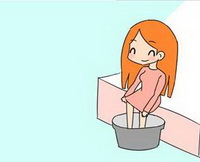 Introduction: This article provides a detailed overview of the benefits of saltwater foot baths, contraindications (i.e., “foot bath taboos”), key precautions to observe, common misconceptions about foot bathing, and related knowledge. It serves as a useful reference for individuals who regularly practice foot bathing.
- The benefits of soaking your feet in saline water, the effects of soaking your feet in saline water, and contraindications.
-
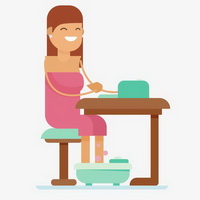 ✵What benefits can you gain from foot bathing? Ancient practitioners studied spring-based foot bathing; foot care during spring has long been emphasized in traditional health practices. The simplest method is foot soaking—using hot water with a small amount of salt. Consistent, long-term practice helps promote smooth flow of Qi and blood through the meridians, yielding a variety of unexpected health benefits. The saltwater foot bath method is very simple: add two tablespoons of salt to half a basin of hot water. Regular use can sterilize the feet, help prevent beriberi, and maintain skin smoothness and cleanliness.
✵Foot bathing is most effective at 9 p.m.: According to Traditional Chinese Medicine (TCM), the soles of the feet are convergence points for meridians and collaterals, hosting over 60 acupoints and reflex zones—each corresponding to specific internal organs. Foot bathing functions to unblock meridians, activate collaterals, and improve blood circulation. Its effects vary slightly depending on timing; performing a foot bath around 9 p.m. offers enhanced kidney-nourishing benefits.
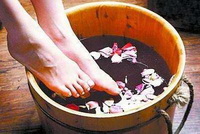 ✵Appropriate duration for foot bathing: During foot bathing, water should cover the ankles; temperature should not be excessively hot—around 40°C is ideal—and duration should be approximately 30 minutes. TCM experts suggest that one may enjoy a cup of tea, watch TV, or chat while foot bathing—this helps relieve fatigue and supports disease prevention and physical strengthening.
✵What benefits can you gain from foot bathing? Soaking your feet for 15 minutes daily contributes to overall wellness. For example, immersing your feet in water at about 40°C for 15–20 minutes significantly relieves headaches. This occurs because foot vessels dilate, redirecting blood flow from the head to the feet—thereby reducing cerebral congestion and alleviating headache symptoms. Hot-water foot bathing also helps reduce fever associated with cold-induced febrile illnesses.
Massaging the Yongquan point (KD1) and pressing the Taichong point (LV3) on the dorsum of the big toe can further assist in lowering blood pressure. Therefore, adhering to scientifically grounded foot-care practices—especially targeting occupational ailments commonly experienced by urban populations—can yield remarkable results with relatively little effort. Specific benefits of foot bathing are listed below:
1. Promote blood circulation: From the perspective of health preservation theory, the feet are the body’s most distant region from the heart and bear the greatest physiological burden. Consequently, poor blood circulation is most likely to occur in the feet. As recorded in classical medical texts: “Man has feet, just like trees have roots; a tree withers from its roots, and a person ages from the feet.” Foot bathing is especially beneficial for individuals who frequently experience cold hands and feet.
2. Stimulate acupoints, reflex zones, and meridians of the feet: Many people have experienced pedicures—when a masseuse applies pressure to specific points on the foot, sensations such as tenderness, soreness, or dull aching often arise. Such reactions generally indicate underlying imbalances or dysfunction in the corresponding internal organs linked via reflexology.
Thus, foot massage induces relaxation. Moreover, six primary meridians terminate or originate on the feet: three Yang meridians—the Bladder, Stomach, and Gallbladder meridians—end there, while three Yin meridians—the Spleen, Liver, and Kidney meridians—begin there. Accordingly, foot bathing effectively stimulates these six major meridians and their associated collaterals.
✵3. Adjuvant therapy for various conditions: As an ancient adage states: “The wealthy take tonics; the less affluent take foot baths.” This highlights the therapeutic value of foot bathing—especially relevant today, given widespread air conditioning use and prevalent consumption of cold-natured foods, which collectively contribute to internal cold and dampness. Foot bathing helps accelerate the expulsion of this pathogenic cold.
Saltwater foot bath nourishes the kidneys and supports anti-aging: Because the feet are farthest from the heart, blood supply to them is naturally limited. Soaking the feet in saltwater allows bioactive components to penetrate the skin and reach the kidneys and heart, thereby enhancing circulation and exerting kidney-tonifying and anti-aging effects.
Foot bathing may alleviate common cold symptoms: Saltwater foot bathing promotes peripheral circulation and helps dispel cold pathogens localized in the feet—contributing to symptomatic relief of wind-cold invasion.
Foot bathing may help manage beriberi: Salt possesses strong antimicrobial properties. When dissolved in hot water, its efficacy is enhanced: heat opens skin pores, facilitating deeper absorption of saline components—thus aiding in the prevention and supportive management of beriberi.
Saltwater foot bathing cleanses the feet: Due to salt’s potent germicidal action, it effectively cleanses the feet. After a day’s fatigue, soaking feet in saline solution supports essential hygiene.
Saltwater foot bathing exfoliates keratinized skin: Salt has natural keratolytic properties. Adding salt to hot water for foot bathing leverages thermal energy to enhance desquamation and cleansing.
Saltwater foot bathing promotes sleep and supports anti-aging: Regular saline foot bathing—combined with targeted acupoint massage (e.g., Yongquan, Taichong)—improves local circulation, aids sleep onset and quality, supports anti-aging processes, may relieve cold symptoms, potentially enhance memory, and foster mental relaxation.
Method of saltwater foot bathing: It is generally recommended to add approximately half a tablespoon of salt to half a basin of hot water, with water temperature comfortably warm—not excessively hot. However, if open wounds or active inflammation are present on the feet, saltwater soaking should be avoided.
- Tips for safe foot bathing:
-
 ✵Contraindications and precautions:
1. Duration: Foot bathing should not exceed 15–30 minutes. Prolonged immersion redirects blood flow toward the lower limbs, potentially reducing cerebral perfusion. Individuals with cardiovascular or cerebrovascular disease—or elderly persons experiencing chest tightness or dizziness—should discontinue foot bathing immediately and rest. Diabetic patients with diminished peripheral sensation require caregivers to test water temperature beforehand to prevent scald injury.
2. Timing relative to meals: Avoid foot bathing within one hour after eating. Postprandially, blood is preferentially shunted to the gastrointestinal tract for digestion. Hot-water immersion during this period diverts blood away from the digestive system, impairing nutrient absorption over time and potentially leading to nutritional deficits. Therefore, wait at least one hour after meals before foot bathing.
3. Vessel material: For Traditional Chinese Medicine (TCM) foot bathing, wooden basins are preferred. Metal basins—especially copper or iron—contain unstable chemical components; tannic acid in herbal decoctions readily reacts with metal ions to form harmful compounds (e.g., tannic acid–iron complexes), significantly diminishing therapeutic efficacy.
4. Pediatric considerations: Children should not soak their feet in excessively hot water for extended periods. The foot arch develops progressively during childhood and requires protection. Repeated exposure to high-temperature water may loosen plantar ligaments, hindering proper arch formation and increasing risk of pes planus (flatfoot).
5. Avoid herbal foot baths during menstruation: Menstrual disorders involve complex underlying causes. Without proper diagnosis, using Traditional Chinese Medicine (TCM) herbs for foot bathing may not relieve symptoms—and could potentially worsen conditions such as dysmenorrhea. Therefore, women seeking to address menstrual concerns (e.g., dysmenorrhea) via TCM foot bathing should consult a qualified TCM practitioner and use only personalized herbal formulations suited to their specific constitution and condition.
 ✵Contraindications for foot bathing:
1. Diabetic patients: Risk of scald injury. Diabetic neuropathy often impairs peripheral temperature sensation, increasing susceptibility to thermal injury.
2. Individuals with cardiovascular or cerebrovascular disease: Foot bathing accelerates systemic circulation and may place additional strain on the heart; therefore, it is generally contraindicated.
3. Patients with active foot trauma, blisters, scabies, inflammation, suppuration, edema, or severe varicose veins: These conditions must be fully resolved prior to foot bathing—otherwise, infection risk increases or existing pathology may worsen.
4. Pregnant women and women during menstruation: TCM foot bathing may strongly stimulate gonadal reflex zones, potentially affecting maternal health and fetal well-being.
5. Individuals with bleeding tendencies or coagulopathies: Foot bathing may increase peripheral blood flow and exacerbate bleeding risk.
6. Critically ill patients—including those with renal failure, acute myocardial infarction, or hepatic necrosis: Due to hemodynamic instability, stimulation of foot reflex zones may provoke adverse systemic reactions and complicate clinical management.
7. Individuals experiencing intense emotional states (e.g., anger, grief, excessive excitement, or anxiety) or physical exhaustion: Elevated water temperature may further disrupt autonomic regulation, adversely affecting mood and circulatory stability.
8. Avoid foot bathing within one hour before or after meals: During immersion, cutaneous vasodilation redirects blood flow toward the lower limbs, reducing splanchnic perfusion—including gastric and intestinal circulation—thereby impairing digestion and nutrient absorption.
• Foot bathing before meals may suppress gastric juice secretion, hindering digestive readiness.
• Foot bathing immediately after meals reduces gastrointestinal blood volume, compromising digestion and assimilation.
Edited and last revised:
